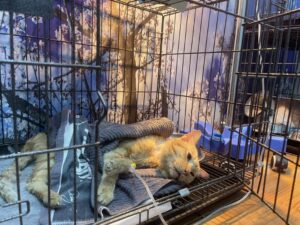
Cats are naturally clean animals, so when they start urinating outside the litter box, it can be frustrating and concerning for pet owners. However, this behavior is not “bad behavior”—it is often a sign that something is wrong.
Understanding the real reasons behind cats urinating outside the litter box is essential to solving the problem effectively and protecting your pet’s health. In this guide, we explore the causes, warning signs, and solutions—along with expert advice from Grande Ronde Animal Hospital.
What Does It Mean When a Cat Pees Outside the Litter Box?
Inappropriate urination (also called house soiling) refers to a cat urinating in places other than its litter box, such as floors, carpets, or furniture.
This is one of the most common behavioral and medical issues in cats and often indicates discomfort, stress, or illness .
Common Causes of Cats Urinating Outside the Litter Box
1. Medical Problems (Most Important to Rule Out)
Health issues are one of the leading causes and should always be checked first.
- Urinary tract infections (UTIs)
- Kidney disease
- Diabetes
- Bladder stones or crystals
- Feline Lower Urinary Tract Disease (FLUTD)
These conditions can cause pain or urgency, leading cats to avoid the litter box .
For example, cats with bladder inflammation may urinate frequently in small amounts and in unusual places due to discomfort .
2. Litter Box Issues
Cats are very sensitive to their environment. If the litter box is not suitable, they may refuse to use it.
Common problems include:
- Dirty or poorly maintained litter box
- Strong-smelling or unsuitable litter
- Uncomfortable location (noisy, crowded, or unsafe)
A cat may avoid the box entirely if it finds it unpleasant .
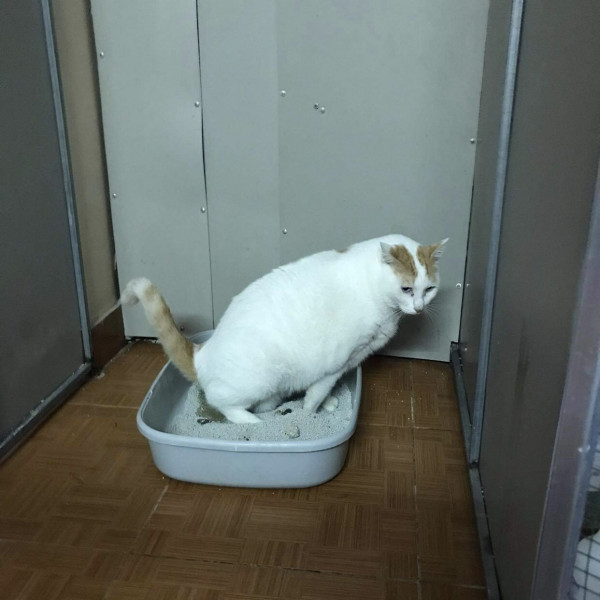
3. Stress and Environmental Changes
Stress is a major trigger for inappropriate urination.
Common stress factors:
- Moving to a new home
- New pets or family members
- Changes in routine
- Loud noises or unfamiliar environments
Cats may urinate outside the litter box as a response to anxiety or discomfort .
4. Behavioral Marking (Territorial Spraying)
Sometimes cats spray urine to mark territory rather than to relieve themselves.
- More common in unneutered males
- Often occurs on vertical surfaces (walls, furniture)
- Triggered by other animals or environmental changes
This is a natural communication behavior, not disobedience.
5. Negative Association with the Litter Box
If a cat experiences pain while urinating (due to illness), it may associate the litter box with discomfort and avoid it in the future.
6. Age-Related Issues
Older cats may develop:
- Arthritis (difficulty reaching the litter box)
- Cognitive decline
- Chronic diseases
These conditions can lead to accidents outside the litter box .
Signs That Indicate a Serious Problem
You should pay close attention if your cat shows:
- Frequent attempts to urinate with little output
- Blood in urine
- Crying or straining while urinating
- Licking the genital area excessively
These symptoms may indicate a serious urinary condition and require immediate veterinary care .
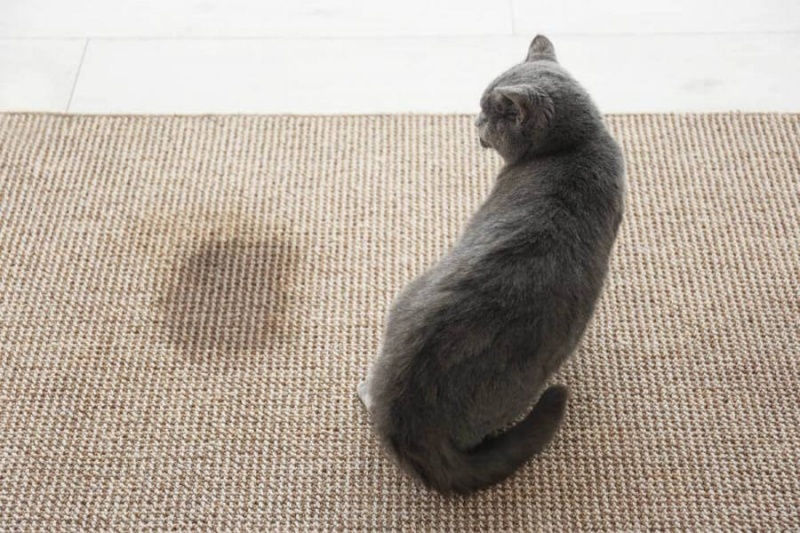
How to Stop a Cat from Urinating Outside the Litter Box
1. Visit a Veterinarian First
Always rule out medical causes before addressing behavior. Early diagnosis can prevent serious complications.
2. Improve Litter Box Hygiene
- Clean the litter box daily
- Replace litter regularly
- Use unscented litter
3. Optimize Litter Box Setup
- Provide enough boxes (1 per cat + 1 extra)
- Place them in quiet, safe locations
- Avoid covered or cramped boxes
4. Reduce Stress
- Maintain a consistent routine
- Provide toys and enrichment
- Create safe hiding spaces
5. Clean Soiled Areas Properly
Use enzymatic cleaners to remove odor and prevent repeated marking.
6. Avoid Punishment
Punishing your cat will increase stress and worsen the behavior. Cats do not urinate outside the box out of spite .
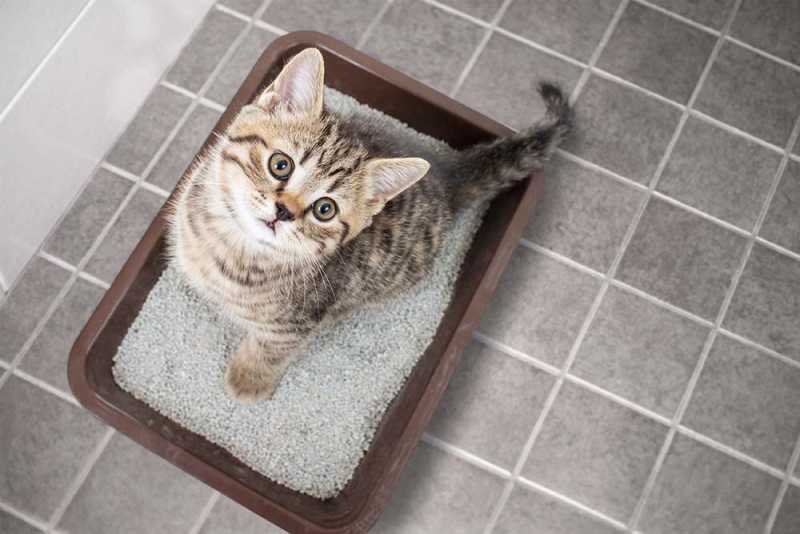
How to Prevent Litter Box Problems
Prevention is key:
- Schedule regular veterinary check-ups
- Maintain a clean and comfortable litter box
- Provide a stable and stress-free environment
- Monitor changes in behavior early
Expert Advice from Grande Ronde Animal Hospital
At Grande Ronde Animal Hospital, we emphasize that inappropriate urination is a symptom—not a behavioral flaw.
Our veterinary experts recommend:
- Always checking for underlying medical conditions first
- Addressing environmental and emotional factors
- Providing consistent care and monitoring
Early intervention is the best way to protect your cat’s health and well-being.
About Grande Ronde Animal Hospital
Grande Ronde Animal Hospital is a trusted veterinary clinic dedicated to providing compassionate, high-quality care for pets.
Our Services Include:
- Preventive care and wellness exams
- Diagnosis and treatment of urinary diseases
- Behavioral consultation
- Diagnostic testing and imaging
- Nutritional and lifestyle guidance
We are committed to helping pets live healthier and happier lives through expert care and personalized treatment.
Conclusion
Cats urinating outside the litter box is a common but important issue that should never be ignored. Whether caused by medical conditions, stress, or environmental factors, identifying the root cause is essential for effective treatment.
With proper care and expert guidance from Grande Ronde Animal Hospital, you can resolve this issue and ensure your cat remains healthy, comfortable, and happy.