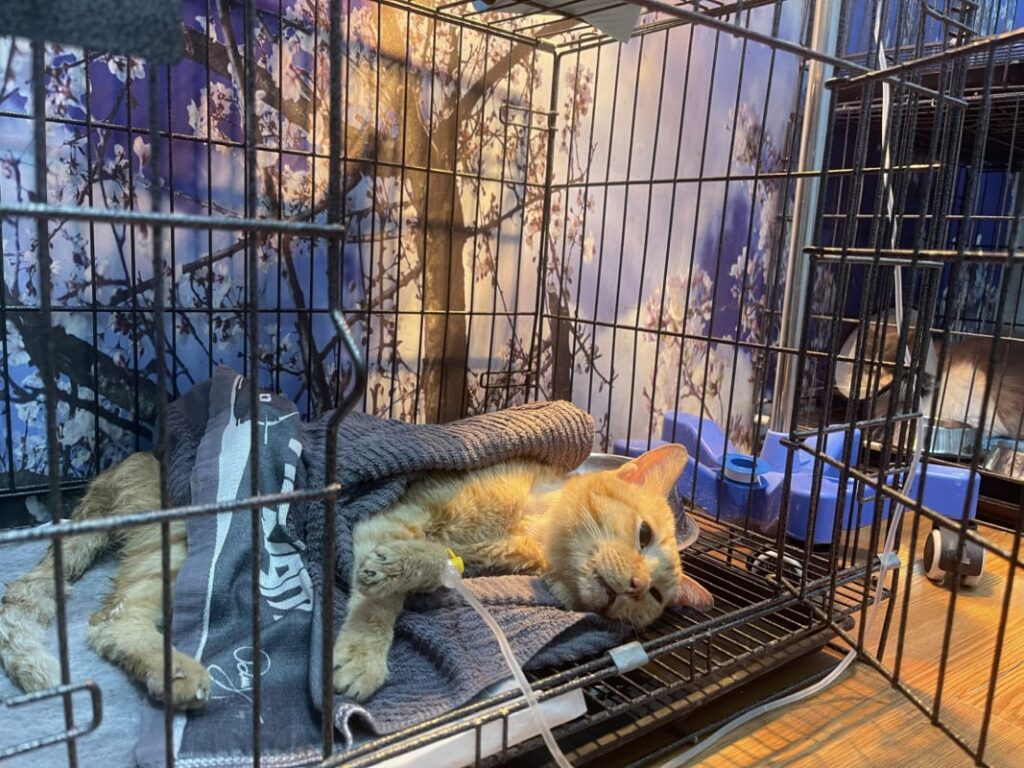
Feline panleukopenia, also known as FPV or feline distemper, is one of the most dangerous viral diseases affecting cats. Highly contagious and often fatal—especially in kittens—this disease requires immediate veterinary attention.
Understanding feline panleukopenia in cats is essential for early detection, prevention, and effective treatment. In this guide, we cover everything pet owners need to know, along with expert advice from Grande Ronde Animal Hospital.
What Is Feline Panleukopenia (FPV)?
Feline panleukopenia is a severe viral disease caused by the feline parvovirus. It attacks rapidly dividing cells in the body, particularly those in the intestines, bone marrow, and immune system.
This leads to a dramatic decrease in white blood cells, weakening the immune system and making cats highly vulnerable to infections.
FPV is especially dangerous for:
- Kittens
- Unvaccinated cats
- Cats with weakened immune systems
How Does FPV Spread?
Feline panleukopenia spreads easily through:
- Direct contact with infected cats
- Exposure to contaminated objects (food bowls, litter boxes, bedding)
- Contact with bodily fluids such as feces, urine, or vomit
The virus is extremely resilient and can survive in the environment for long periods, making it difficult to eliminate.
Symptoms of Feline Panleukopenia in Cats
Symptoms often appear suddenly and can progress rapidly.
Common Signs Include:
- Lethargy and weakness
- Loss of appetite
- Fever
- Vomiting
- Diarrhea (sometimes bloody)
- Dehydration
Severe Symptoms
In advanced cases, cats may experience:
- Severe dehydration
- Abdominal pain
- Shock
- Sudden death
Kittens are particularly vulnerable, with high mortality rates if untreated.
Why Is FPV So Dangerous?
FPV damages both the digestive system and immune system:
- Destroys intestinal lining → severe diarrhea
- Reduces white blood cells → increased infection risk
- Causes rapid dehydration and electrolyte imbalance
Without treatment, the condition can become fatal within a short time.
How Is Feline Panleukopenia Diagnosed?
Veterinarians diagnose FPV based on:
- Clinical symptoms
- Blood tests showing low white blood cell count
- Viral testing (e.g., ELISA or PCR tests)
Early diagnosis is critical to improving survival chances.
Treatment for Feline Panleukopenia
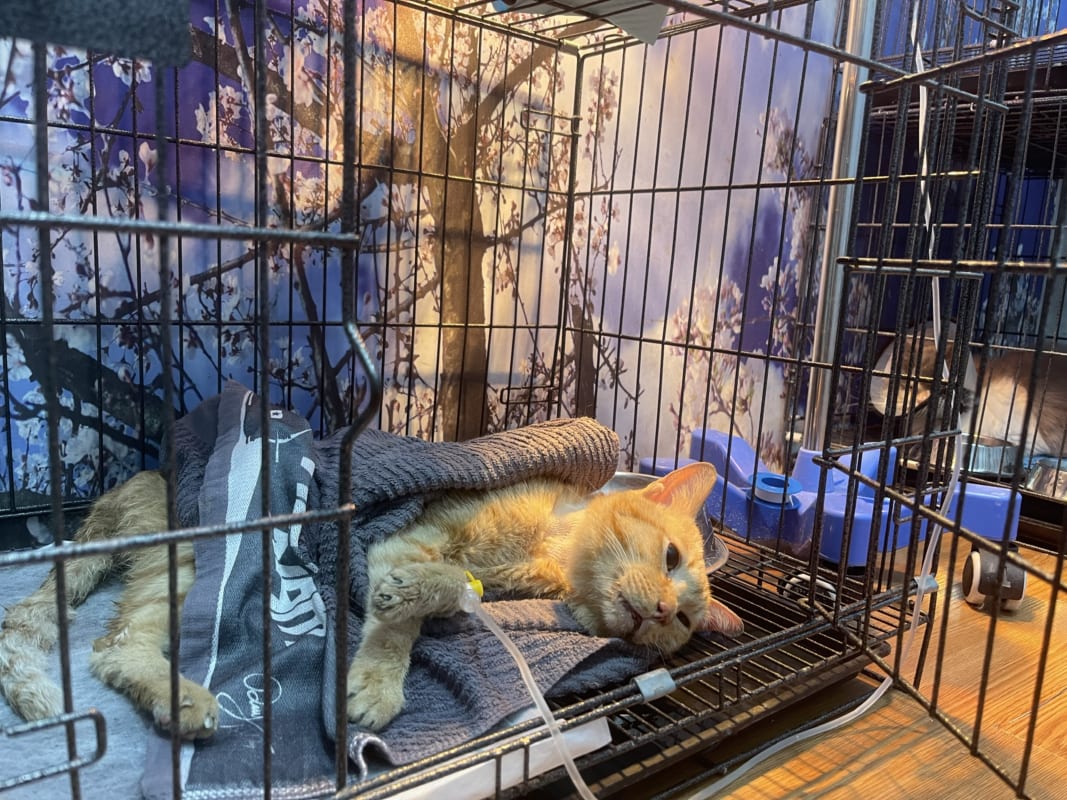
There is no specific cure for FPV. Treatment focuses on supportive care to help the cat’s body fight the virus.
Common Treatment Methods:
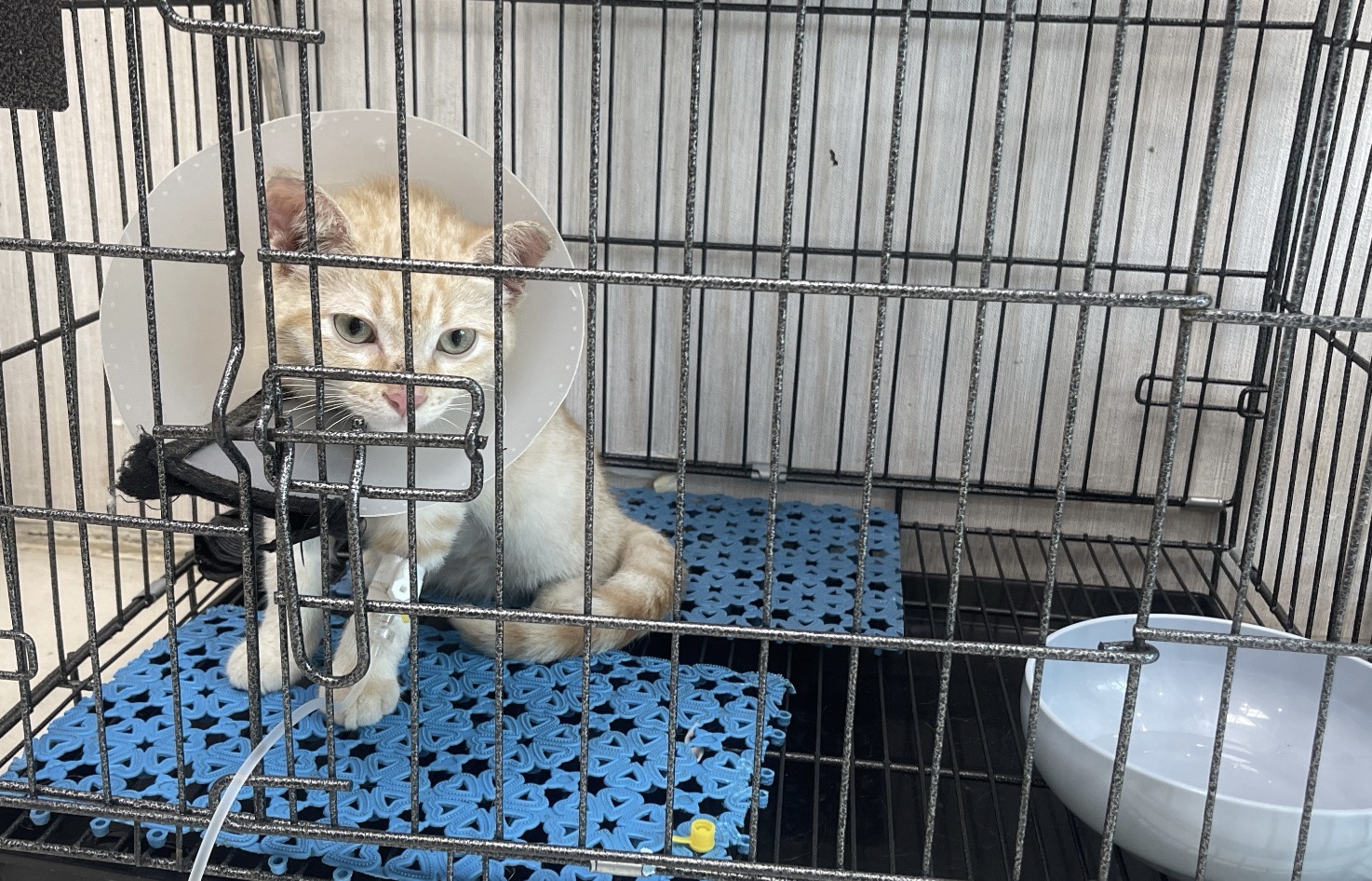
- Intravenous (IV) fluids to prevent dehydration
- Anti-nausea medications
- Nutritional support
- Antibiotics to prevent secondary infections
Severely affected cats often require hospitalization and intensive care.
When Should You See a Veterinarian?
You should seek immediate veterinary care if your cat shows:
- Vomiting and diarrhea
- Refusal to eat
- Weakness or collapse
- Signs of dehydration
FPV progresses quickly, and delays in treatment can be fatal.
How to Prevent Feline Panleukopenia
Prevention is the most effective way to protect your cat.
Key Preventive Measures:
- Vaccination (core vaccine for all cats)
- Keeping living areas clean and disinfected
- Avoiding contact with infected animals
- Isolating sick cats immediately
Vaccination is the most reliable protection against FPV.
Expert Advice from Grande Ronde Animal Hospital
At Grande Ronde Animal Hospital, we emphasize that feline panleukopenia is preventable but extremely dangerous when contracted.
Our veterinary experts recommend:
- Vaccinating kittens and maintaining booster schedules
- Seeking immediate care at the first sign of illness
- Practicing strict hygiene in multi-cat environments
Early action can significantly increase survival rates.
About Grande Ronde Animal Hospital
Grande Ronde Animal Hospital is a trusted veterinary clinic dedicated to providing compassionate and high-quality care for pets.
Our Services Include:
- Infectious disease diagnosis and treatment
- Vaccination and preventive care
- Emergency and critical care
- Diagnostic testing and laboratory services
- Long-term health management
We are committed to helping pets live healthier, safer, and happier lives.
Conclusion
Feline panleukopenia (FPV) is a highly contagious and potentially fatal disease that every cat owner should understand. From early symptoms like lethargy and vomiting to severe complications such as dehydration and shock, timely intervention is critical.
With proper vaccination, early detection, and expert care from Grande Ronde Animal Hospital, you can protect your cat and ensure the best possible outcome.