Ear mites are one of the most common external parasites affecting cats. Although they are small and difficult to see, they can cause intense discomfort and serious ear problems if left untreated. Understanding ear mites in cats is essential for early detection and proper care.
In this guide, we’ll cover the causes, symptoms, treatment options, and prevention methods—along with expert advice from Grande Ronde Animal Hospital.
What Are Ear Mites in Cats?
Ear mites are tiny паразitic organisms (most commonly Otodectes cynotis) that live inside the ear canal and feed on skin debris and oils. They are highly contagious and easily spread between animals through close contact.
Although not usually life-threatening, untreated infestations can lead to severe irritation, infections, and even hearing damage.
Common Causes of Ear Mites in Cats
1. Contact with Infected Animals
The most common cause is direct contact with another infected cat or dog. Ear mites spread quickly in multi-pet households.
2. Outdoor Exposure
Cats that go outdoors are more likely to encounter infected animals or contaminated environments such as shelters or boarding facilities.
3. Contaminated Objects
Ear mites can also spread through shared bedding, grooming tools, or living spaces.
Symptoms of Ear Mites in Cats
Recognizing the signs early is crucial for prompt treatment.
Typical Symptoms Include:
- Frequent scratching of the ears
- Head shaking
- Dark, crumbly ear discharge (often like coffee grounds)
- Strong odor from the ears
- Redness and inflammation
These symptoms are caused by irritation and inflammation in the ear canal.
Severe Symptoms
If untreated, ear mites can lead to:
- Secondary bacterial infections
- Hair loss around the ears
- Open wounds from excessive scratching
- Hearing damage in extreme cases
How Are Ear Mites Diagnosed?
Veterinarians diagnose ear mites through:
- Physical examination of the ears
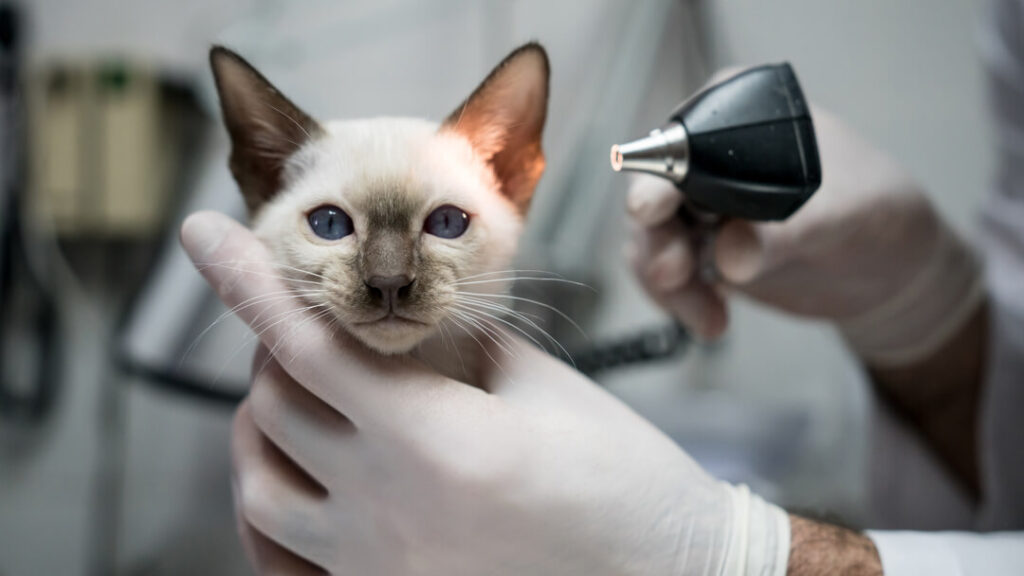
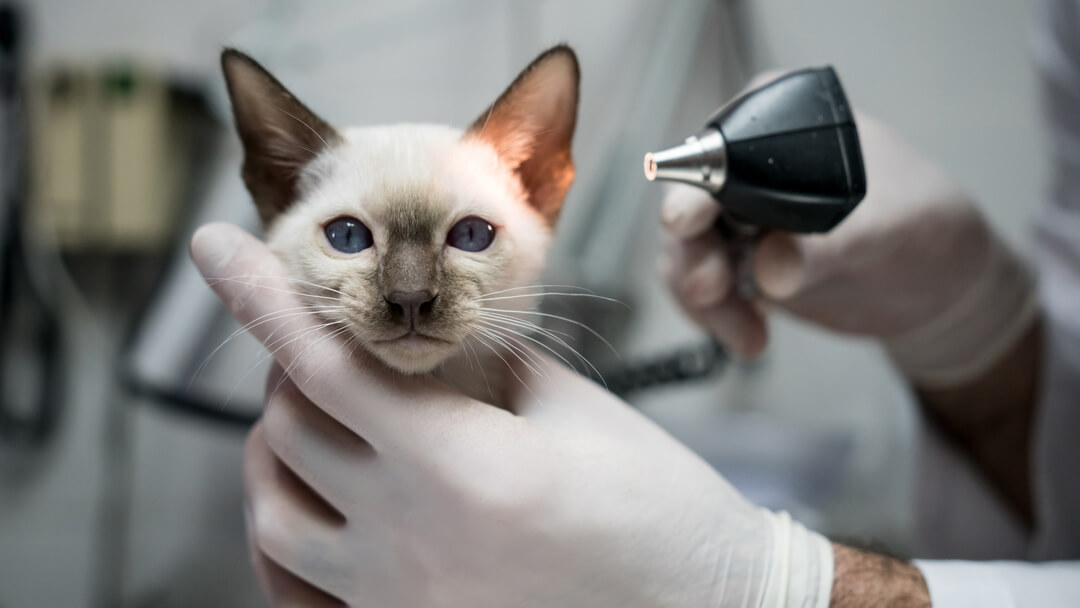
- Otoscope inspection
- Microscopic analysis of ear debris
Ear mites and their eggs are typically visible under a microscope, confirming the diagnosis.
Treatment for Ear Mites in Cats
Ear mites are highly treatable when addressed early.
1. Ear Cleaning
Veterinarians often begin by cleaning the ears to remove debris and reduce irritation.
2. Anti-Parasitic Medications
Treatment typically includes:
- Topical ear drops
- Spot-on treatments applied to the skin
- Oral or injectable medications in some cases
These medications effectively kill mites and stop the infestation.
3. Treat Secondary Infections
If bacterial or fungal infections are present, additional medications such as antibiotics may be prescribed.
4. Treat All Pets in the Household
Because ear mites spread easily, all pets should be treated simultaneously to prevent reinfection.
How Long Does Treatment Take?
The life cycle of ear mites lasts about 3–4 weeks, so treatment must continue long enough to eliminate both mites and their eggs.
Most cats begin to feel relief within a few days, but full recovery requires completing the entire treatment course.
When Should You See a Veterinarian?
You should seek veterinary care if your cat shows:
- Persistent scratching or head shaking
- Dark ear discharge
- Signs of pain or discomfort
- No improvement after initial care
Early treatment prevents complications and ensures faster recovery.
How to Prevent Ear Mites in Cats
Prevention plays a key role in protecting your pet:
- Use regular parasite prevention treatments
- Keep your cat’s environment clean
- Avoid contact with infected animals
- Schedule routine veterinary check-ups
Monthly preventive medications are especially effective in reducing risk.
Expert Advice from Grande Ronde Animal Hospital
At Grande Ronde Animal Hospital, we emphasize that ear mites are more than just a minor irritation—they can lead to serious ear conditions if ignored.
Our veterinary experts recommend:
- Early diagnosis at the first sign of ear discomfort
- Avoiding home remedies that may not eliminate mite eggs
- Consistent follow-up care to prevent recurrence
About Grande Ronde Animal Hospital
Grande Ronde Animal Hospital is a trusted veterinary clinic dedicated to providing compassionate, high-quality care for pets.
Our Services Include:
- Parasite diagnosis and treatment
- Ear and dermatological care
- Preventive health programs
- Diagnostic testing and laboratory services
- Comprehensive pet wellness care
We are committed to helping pets stay healthy, comfortable, and free from parasites.
Conclusion
Ear mites in cats are a common but highly treatable condition. While they may seem minor at first, untreated infestations can lead to serious complications.
By recognizing the symptoms early and following proper treatment with guidance from Grande Ronde Animal Hospital, you can ensure your cat remains healthy, comfortable, and free from irritation.