Hair loss in pets is a common concern among dog and cat owners. While shedding is a natural process, excessive or unusual hair loss can indicate underlying health problems. Understanding whether your pet’s hair loss is normal or abnormal is essential for maintaining their overall health.
In this guide, we explore the causes, symptoms, and effective solutions for hair loss in dogs and cats—along with expert advice from Grande Ronde Animal Hospital.
Is Hair Loss in Pets Normal?
Yes, in many cases, shedding is completely normal.
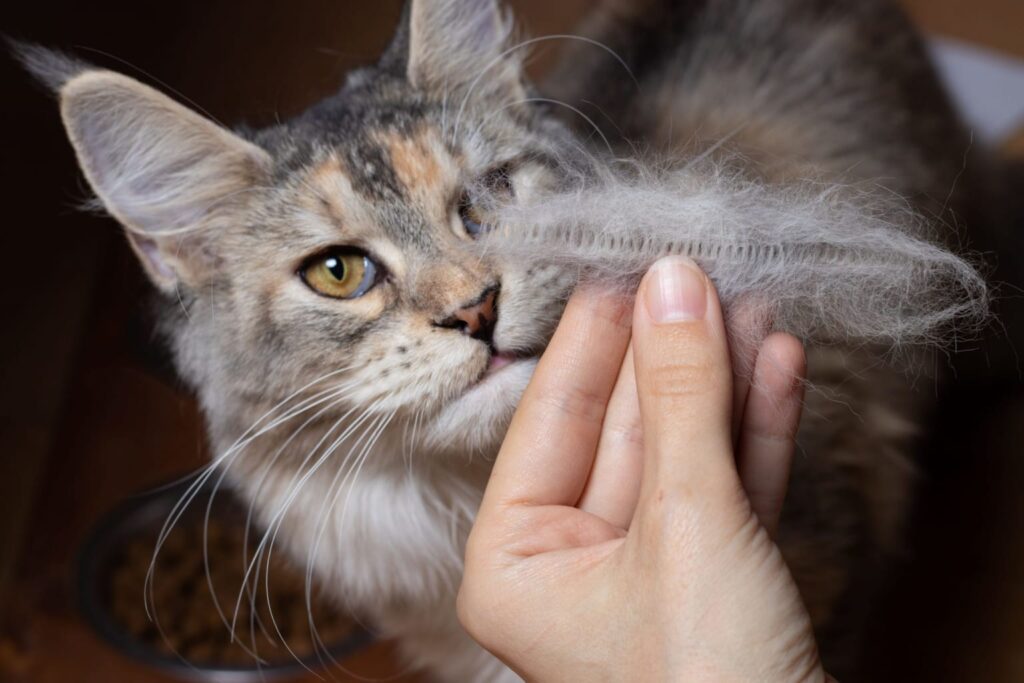
Dogs and cats naturally shed hair as part of their biological cycle, especially during seasonal changes such as spring and fall. This process helps regulate body temperature and allows new, healthy hair to grow
Normal Shedding Characteristics:
- Occurs seasonally
- Hair falls evenly across the body
- No redness, itching, or skin damage
- Pet behaves normally
However, when shedding becomes excessive or irregular, it may signal a problem.
When Is Hair Loss Abnormal?
Hair loss becomes abnormal when it is accompanied by other symptoms or appears in unusual patterns.
Warning Signs Include:
- Bald patches or uneven hair loss
- Red, inflamed, or flaky skin
- Excessive scratching or licking
- Hair loss with wounds or infections
- Behavioral changes or lethargy
If these signs appear, your pet may be experiencing a medical or environmental issue.
Common Causes of Hair Loss in Dogs and Cats
1. Natural Shedding and Aging
Seasonal shedding is normal, but older pets may also lose more hair due to weakened hair follicles and aging processes
2. Nutritional Deficiencies
A poor diet lacking essential nutrients such as protein, vitamins, and fatty acids can weaken hair and lead to excessive shedding
Key nutrients for healthy coat:
- Omega-3 and Omega-6 fatty acids
- Vitamin A, B, E
- Zinc and biotin
3. Skin Diseases and Infections
Hair loss is often linked to dermatological conditions such as:
- Fungal infections (ringworm)
- Bacterial infections
- Dermatitis
These conditions damage hair follicles and cause patchy hair loss
4. Parasites (Fleas, Mites, Ticks)
External parasites irritate the skin, causing intense itching and scratching, which leads to hair loss.
5. Allergies
Pets can develop allergies to:
- Food
- Pollen or dust
- Grooming products
Allergic reactions often cause itching and hair loss, especially in sensitive areas
6. Hormonal Disorders
Hormonal imbalances such as:
- Hypothyroidism
- Cushing’s disease
can disrupt hair growth cycles and result in abnormal shedding
7. Stress and Behavioral Issues
Stress or anxiety may cause pets, especially cats, to excessively lick or bite their fur, leading to hair loss
How to Treat Hair Loss in Pets
Treatment depends on identifying the underlying cause.
1. Improve Diet and Nutrition
Provide a balanced, high-quality diet rich in essential nutrients to support healthy skin and coat.
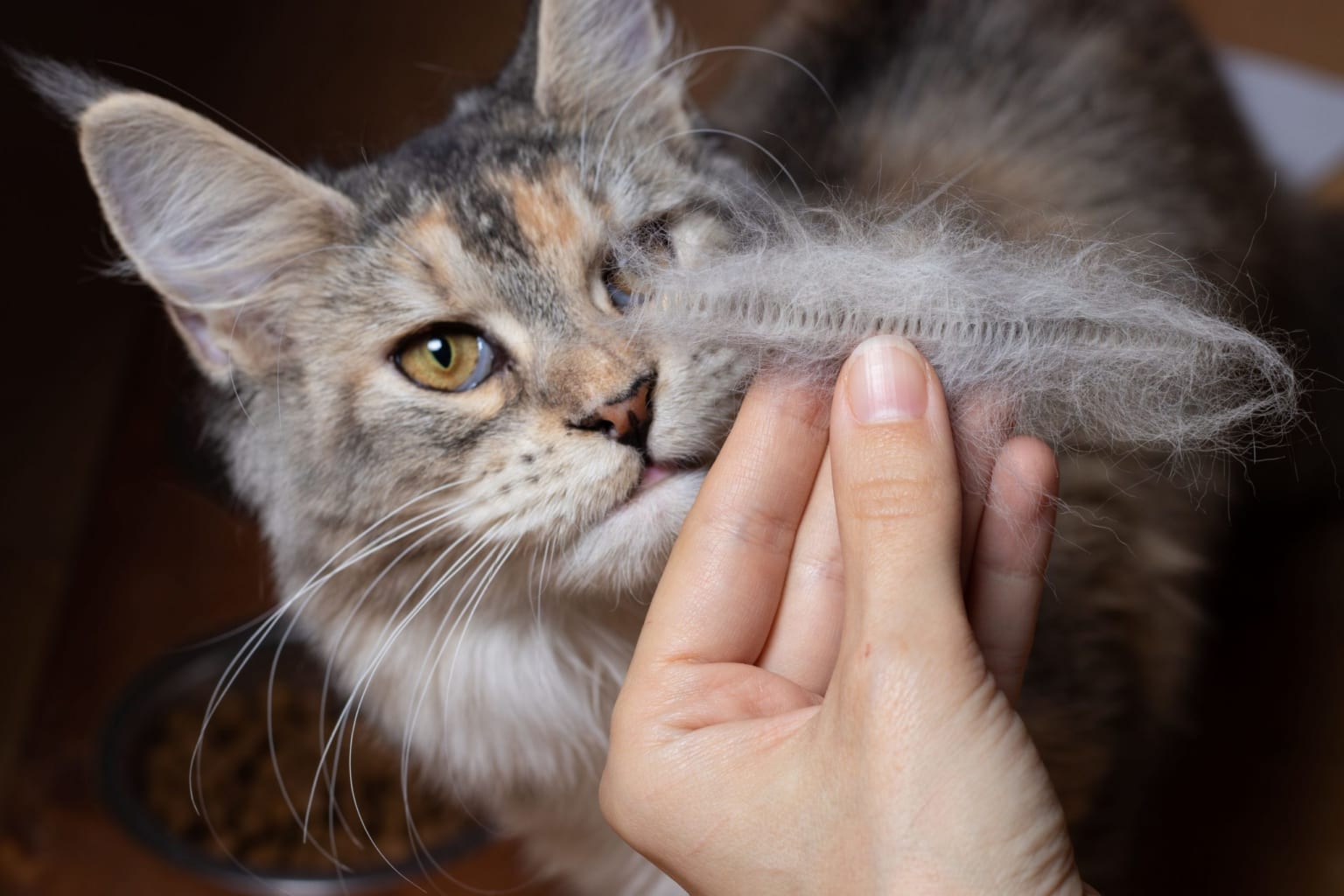
2. Regular Grooming
- Brush your pet frequently
- Remove loose hair
- Prevent matting and skin irritation
3. Parasite Control
Use veterinary-approved products to eliminate fleas, mites, and ticks.
4. Treat Skin Conditions
Veterinarians may prescribe:
- Antifungal or antibacterial medications
- Medicated shampoos
- Anti-inflammatory treatments
5. Reduce Stress
- Maintain a stable environment
- Provide enrichment and playtime
- Avoid sudden changes
When Should You See a Veterinarian?
You should seek professional help if:
- Hair loss is severe or persistent
- Bald patches appear
- Skin becomes red, swollen, or infected
- Your pet shows signs of discomfort or illness
Early diagnosis helps prevent complications and ensures effective treatment.
How to Prevent Excessive Hair Loss
Prevention is key to maintaining a healthy coat:
- Feed a balanced and nutritious diet
- Groom your pet regularly
- Keep their living environment clean
- Use parasite prevention treatments
- Schedule routine veterinary check-ups
Expert Advice from Grande Ronde Animal Hospital
At Grande Ronde Animal Hospital, we emphasize that hair loss is not just a cosmetic issue—it can be a sign of deeper health problems.
Our veterinary experts recommend:
- Monitoring your pet’s coat and skin regularly
- Addressing changes early
- Seeking professional diagnosis for persistent symptoms
About Grande Ronde Animal Hospital
Grande Ronde Animal Hospital is a trusted veterinary clinic dedicated to providing compassionate and high-quality care for pets.
Our Services Include:
- Dermatology and skin treatment
- Parasite control and prevention
- Nutritional counseling
- Diagnostic testing and laboratory services
- Preventive and wellness care
We are committed to helping pets maintain healthy skin, shiny coats, and overall well-being.
Conclusion
Hair loss in dogs and cats can be either a normal biological process or a sign of underlying health issues. Recognizing the difference between normal shedding and abnormal hair loss is crucial for proper care.
With the right knowledge and expert support from Grande Ronde Animal Hospital, you can ensure your pet stays healthy, comfortable, and looking their best.