Anemia in dogs is a serious medical condition that can affect your pet’s energy, organ function, and overall well-being. While it is not a disease itself, anemia in dogs is often a sign of an underlying health problem that requires prompt attention.
In this comprehensive guide, we’ll explore the causes, symptoms, diagnosis, and treatment options—along with expert advice from Grande Ronde Animal Hospital.
What Is Anemia in Dogs?
Anemia occurs when a dog has a lower-than-normal number of red blood cells or hemoglobin, which are responsible for carrying oxygen throughout the body.
When oxygen delivery is reduced, the body’s tissues and organs cannot function properly, leading to weakness and other health issues.
Importantly, anemia is not a standalone disease—it is usually the result of another condition affecting the body.
Common Causes of Anemia in Dogs
There are many possible causes of anemia, and identifying the root cause is essential for effective treatment.
1. Blood Loss
Blood loss can occur due to:
- Injury or trauma
- Internal bleeding (e.g., ulcers, tumors)
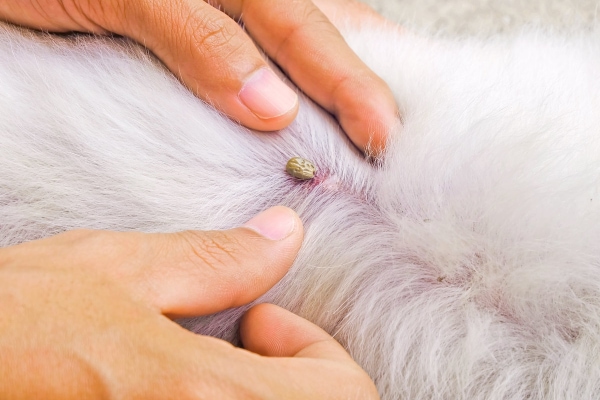
- Parasites such as fleas or worms
Significant or chronic blood loss can quickly lead to anemia.
2. Destruction of Red Blood Cells (Hemolytic Anemia)
In some cases, the body destroys its own red blood cells faster than they can be replaced.
- Immune-mediated diseases
- Toxins or infections
- Genetic disorders
This type of anemia can develop rapidly and may be life-threatening.
3. Reduced Red Blood Cell Production
When the bone marrow fails to produce enough red blood cells, anemia develops gradually.
Causes include:
- Chronic kidney disease
- Bone marrow disorders
- Hormonal imbalances
- Certain medications
4. Nutritional Deficiencies
A lack of essential nutrients such as iron, vitamin B12, or folate can impair red blood cell production.
5. Chronic Diseases and Infections
Conditions such as:
- Cancer
- Tick-borne diseases
- Viral or bacterial infections
can interfere with blood cell production or cause destruction of red blood cells.
Symptoms of Anemia in Dogs
The signs of anemia may vary depending on severity and cause, but common symptoms include:
- Pale gums or tongue (one of the earliest signs)
- Weakness and lethargy
- Loss of appetite
- Weight loss
- Rapid breathing or heart rate
- Vomiting or black stools
Pale gums are a key indicator because they reflect reduced red blood cell levels.
Severe Symptoms
In advanced cases, dogs may experience:
- Collapse or fainting
- Difficulty breathing
- Severe weakness
These signs require immediate veterinary attention.
How Is Anemia Diagnosed?
Veterinarians diagnose anemia using:
- Physical examination (checking gum color and vital signs)
- Blood tests (Complete Blood Count – CBC)
- Additional tests to identify underlying causes
A low red blood cell count confirms anemia and helps determine its type.
Treatment for Anemia in Dogs
Treatment depends on the underlying cause and severity.
1. Treating the Underlying Condition
This may include:
- Parasite control
- Antibiotics for infections
- Surgery for internal bleeding or tumors
2. Medications
- Immunosuppressive drugs (for autoimmune conditions)
- Supplements (iron, vitamins)
- Hormone therapy in specific cases
3. Blood Transfusion
In severe cases, blood transfusions may be necessary to stabilize the dog and restore oxygen levels.
4. Supportive Care
- IV fluids
- Nutritional support
- Ongoing monitoring
With proper treatment, many dogs can recover or manage anemia effectively.
When Should You See a Veterinarian?
You should seek veterinary care immediately if your dog shows:
- Pale gums
- Sudden weakness or lethargy
- Rapid breathing
- Loss of appetite
Anemia can indicate serious or even life-threatening conditions, so early diagnosis is critical.
How to Prevent Anemia in Dogs
While not all cases can be prevented, you can reduce the risk by:
- Providing a balanced, high-quality diet
- Using regular parasite prevention
- Keeping toxins and harmful substances out of reach
- Scheduling routine veterinary check-ups
Preventive care plays a key role in maintaining healthy blood function.
Expert Advice from Grande Ronde Animal Hospital
At Grande Ronde Animal Hospital, we emphasize that anemia is often a warning sign of a deeper health issue.
Our veterinary experts recommend:
- Monitoring your dog’s energy levels and gum color regularly
- Seeking immediate care for unusual symptoms
- Following a personalized treatment plan based on diagnosis
Early intervention can significantly improve outcomes and quality of life.
About Grande Ronde Animal Hospital
Grande Ronde Animal Hospital is a trusted veterinary clinic dedicated to providing compassionate, high-quality care for pets.
Our Services Include:
- Diagnosis and treatment of blood disorders
- Preventive care and wellness exams
- Advanced diagnostic testing
- Nutritional counseling
- Long-term disease management
We are committed to helping pets live healthier, longer, and happier lives.
Conclusion
Anemia in dogs is a serious condition that should never be ignored. Whether caused by blood loss, disease, or nutritional deficiencies, early detection and proper treatment are essential.
With expert care and guidance from Grande Ronde Animal Hospital, your dog can recover and maintain a healthy, active life.