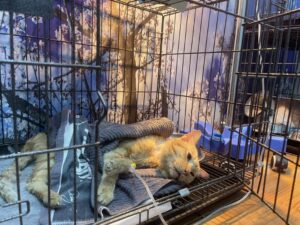
Malnutrition in pets is a serious condition that can negatively affect growth, immunity, and overall health. Whether caused by poor diet or underlying disease, malnutrition in dogs and cats requires early detection and proper care to prevent long-term complications.
In this comprehensive guide, we explore the causes, symptoms, treatment options, and prevention—along with expert advice from Grande Ronde Animal Hospital.
What Is Malnutrition in Dogs and Cats?
Malnutrition occurs when pets do not receive sufficient nutrients to meet their body’s needs. This can involve deficiencies in:
- Protein
- Vitamins (especially B-complex like niacin)
- Minerals (calcium, phosphorus)
- Energy (calories)
These deficiencies can impair normal growth, weaken immunity, and affect organ function.
Common Causes of Malnutrition in Pets
1. Poor or Unbalanced Diet
The most common cause is inadequate nutrition over a long period.
- Low-quality or insufficient food
- Improper homemade diets
- Lack of essential nutrients
Pets require balanced nutrition tailored to their age, breed, and activity level.
2. Nutrient Deficiencies (e.g., Niacin Deficiency)
Specific deficiencies—such as lack of vitamin B (niacin)—can lead to serious health issues, especially in cats who cannot synthesize niacin effectively.
3. Digestive or Absorption Disorders
Even with adequate food intake, pets may become malnourished if their bodies cannot absorb nutrients properly.
- Gastrointestinal diseases
- Chronic diarrhea
- Parasite infections
4. Chronic Illnesses
Conditions such as kidney disease, diabetes, or infections can reduce appetite or interfere with nutrient metabolism.
5. Stress and Behavioral Factors
Stress, environmental changes, or psychological issues may lead to reduced food intake and gradual weight loss.
6. Neglect or Poor Care
In some cases, especially with stray or rescued animals, malnutrition results from prolonged lack of proper feeding.
Symptoms of Malnutrition in Dogs and Cats
Recognizing early signs is crucial for timely intervention.
Common Signs Include:
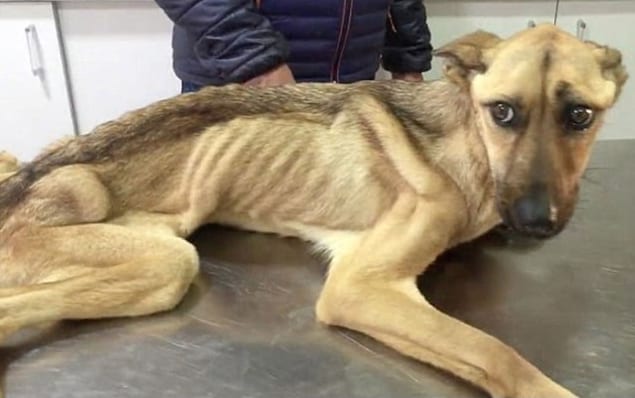
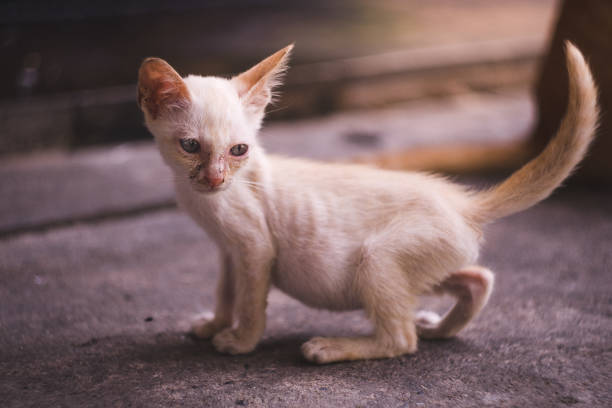
- Weight loss and thin body condition
- Muscle wasting
- Dull, rough, or thinning coat
- Low energy and lethargy
- Reduced appetite
Pets with malnutrition often appear weak and have poor overall condition.
Severe Symptoms
If untreated, malnutrition can lead to:
- Diarrhea or digestive issues
- Skin diseases and infections
- Mouth ulcers or lesions
- Neurological disorders (in severe vitamin deficiencies)
- Weakened immune system
In extreme cases, especially in cats, severe nutrient deficiencies can become life-threatening.
How Is Malnutrition Diagnosed?
Veterinarians evaluate malnutrition through:
- Physical examination (body condition score)
- Weight tracking and muscle assessment
- Blood tests to detect deficiencies
- Review of diet and feeding history
Nutritional assessment is a key part of veterinary care to identify risk factors early.
Treatment for Malnutrition in Pets
1. Nutritional Rehabilitation
The primary treatment involves gradually restoring proper nutrition:
- High-quality, balanced diet
- Increased calorie intake
- Easily digestible food
2. Vitamin and Mineral Supplementation
Depending on deficiencies, veterinarians may recommend:
- Vitamin B complex (including niacin)
- Calcium and phosphorus
- Essential fatty acids
3. Treat Underlying Diseases
If malnutrition is caused by illness, treating the root condition is essential.
4. Controlled Feeding Plan
Refeeding must be gradual to avoid complications such as refeeding syndrome.
5. Supportive Care
- Hydration (fluids)
- Appetite stimulants (if needed)
- Close monitoring
With proper care, many pets recover successfully and regain normal health.
When Should You See a Veterinarian?
You should seek veterinary care if your pet shows:
- Rapid or unexplained weight loss
- Persistent loss of appetite
- Weakness or inactivity
- Visible bones or muscle loss
Early diagnosis is critical to prevent severe complications.
How to Prevent Malnutrition in Dogs and Cats
Prevention is the best approach:
- Provide a complete and balanced diet
- Choose high-quality pet food
- Monitor weight and body condition regularly
- Schedule routine veterinary check-ups
- Ensure access to clean water
Proper nutrition is the foundation of long-term health.
Expert Advice from Grande Ronde Animal Hospital
At Grande Ronde Animal Hospital, we emphasize that malnutrition is not just about weight—it affects the entire body.
Our veterinary experts recommend:
- Regular nutritional evaluations
- Tailored feeding plans for each pet
- Early intervention when signs appear
We focus on restoring health through both medical treatment and proper nutrition.
About Grande Ronde Animal Hospital
Grande Ronde Animal Hospital is a trusted veterinary clinic dedicated to providing compassionate and high-quality care for pets.
Our Services Include:
- Nutritional assessment and counseling
- Diagnosis and treatment of metabolic disorders
- Preventive health care
- Diagnostic testing and laboratory services
- Long-term wellness management
We are committed to helping pets live healthier, stronger, and happier lives.
Conclusion
Malnutrition in dogs and cats is a serious but preventable condition. Whether caused by poor diet, disease, or nutrient deficiencies, early detection and proper care are essential.
With expert guidance from Grande Ronde Animal Hospital, you can ensure your pet receives the nutrition and care needed for a healthy and fulfilling life.