Cats are known for their agility, but falls from windows, balconies, or high places can still cause serious injuries. Knowing how to perform first aid for a cat after a fall from height is crucial to protect your pet’s life and prevent complications.
In this guide, we’ll walk you through step-by-step emergency care, warning signs, and expert advice from Grande Ronde Animal Hospital.
Why Falls Are Dangerous for Cats
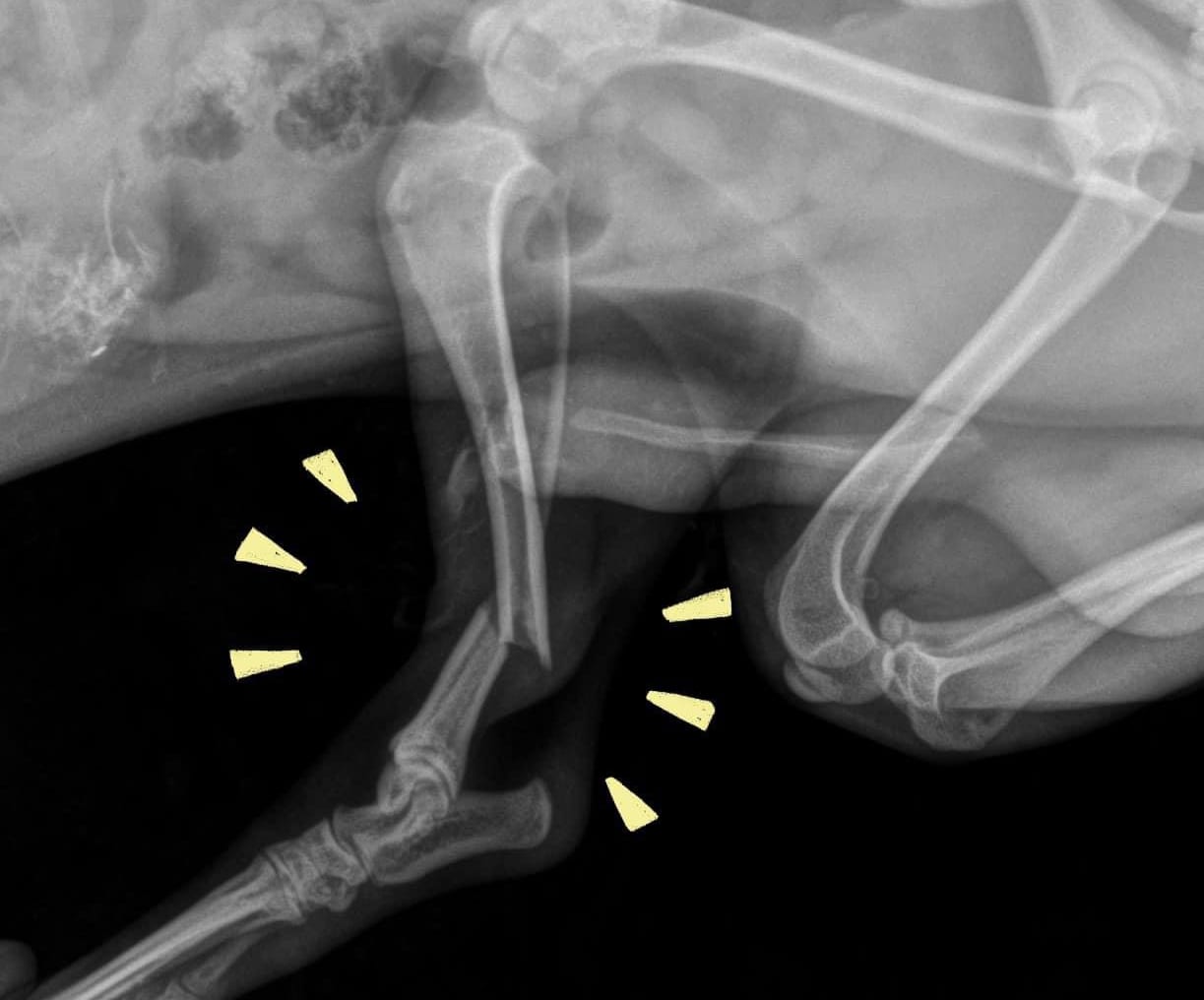
Falls from height (often called high-rise syndrome) can lead to severe injuries such as:
- Broken bones and fractures
- Internal bleeding
- Lung trauma or breathing difficulty
- Head and spinal injuries
Even if your cat appears normal, internal injuries may not show immediately and can worsen over time .
Step-by-Step First Aid for a Cat After a Fall
1. Stay Calm and Approach Carefully
After a fall, your cat may be frightened or in pain.
- Approach slowly and speak softly
- Avoid sudden movements
- Use a towel to gently restrain if necessary
Injured cats may scratch or bite due to pain, even if they are normally gentle .
2. Check Breathing and Consciousness
This is the most critical step.
- Ensure your cat is breathing normally
- Look for signs of distress such as open-mouth breathing or panting
- Check responsiveness
Difficulty breathing or unconsciousness requires immediate emergency care .

3. Look for Signs of Serious Injury
Observe your cat carefully for:
- Bleeding from nose or mouth
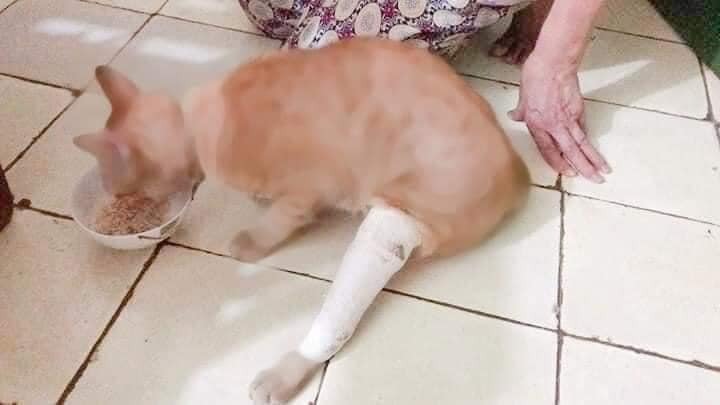
- Limping or inability to stand
- Swelling or deformities
- Seizures or disorientation
These symptoms indicate potential life-threatening trauma .
4. Limit Movement Immediately
If you suspect fractures or spinal injury:
- Do not let your cat walk or jump
- Place them on a flat, firm surface
- Keep the head and body aligned
Improper movement can worsen internal or spinal injuries .
5. Control Bleeding (If Present)
If your cat has visible wounds:
- Apply gentle pressure using clean gauze
- Clean minor wounds with saline or clean water
Heavy bleeding requires urgent veterinary attention .
6. Keep Your Cat Warm and Calm
Shock is common after trauma.
- Wrap your cat in a blanket
- Keep them in a quiet, warm environment
- Minimize stress and handling
Signs of shock include pale gums and rapid breathing .
7. Transport to a Veterinary Clinic Immediately
Even if injuries seem minor, always take your cat to a veterinarian.
- Use a carrier or box for safe transport
- Call the clinic ahead if possible
Early veterinary care significantly improves survival and recovery outcomes .
Symptoms That Require Emergency Care
Take your cat to the vet immediately if you notice:
- Difficulty breathing
- Collapse or unconsciousness
- Persistent bleeding
- Inability to walk
- Severe pain or crying
These are signs of serious trauma that can become fatal if untreated.
Monitoring Your Cat After a Fall
If your cat appears stable, continue monitoring for at least 24–48 hours.
Watch for:
- Loss of appetite
- Lethargy
- Hiding behavior
- Breathing changes
- Limping or stiffness
Some internal injuries may appear hours later, so careful observation is essential .
Common Mistakes to Avoid
- Ignoring the fall if your cat seems “fine”
- Letting your cat move freely after injury
- Attempting to treat serious injuries at home
- Delaying veterinary care
These mistakes can worsen your cat’s condition significantly.
How to Prevent Falls in Cats
Prevention is the best protection:
- Install secure window screens
- Avoid leaving balconies open
- Supervise cats in high places
- Create safe indoor environments
Expert Advice from Grande Ronde Animal Hospital
At Grande Ronde Animal Hospital, we emphasize that falls are always considered a medical emergency—even when symptoms are not immediately visible.
Our veterinary experts recommend:
- Immediate assessment after any fall
- Careful monitoring within the first 24 hours
- Professional diagnosis to detect hidden injuries
About Grande Ronde Animal Hospital
Grande Ronde Animal Hospital is a trusted veterinary clinic dedicated to providing compassionate and high-quality care for pets.
Our Services Include:
- Emergency and critical care
- Trauma and injury treatment
- Diagnostic imaging and testing
- Preventive care and wellness exams
- Post-injury rehabilitation
We are committed to helping pets recover quickly and live healthy, safe lives.
Conclusion
Knowing how to perform first aid for a cat after a fall from height can make a life-saving difference. From checking breathing to limiting movement and seeking immediate veterinary care, every step is critical.
With proper knowledge and expert support from Grande Ronde Animal Hospital, you can ensure your cat receives the best possible care in emergency situations.