Hypothyroidism is one of the most common endocrine disorders affecting dogs. Although it develops slowly, it can impact multiple organs and significantly reduce your pet’s quality of life if left untreated.
In this comprehensive guide, we explain everything you need to know about hypothyroidism in dogs, including causes, symptoms, diagnosis, and treatment—along with expert insights from Grande Ronde Animal Hospital.
What Is Hypothyroidism in Dogs?
Hypothyroidism is a hormonal disorder that occurs when the thyroid glands fail to produce enough thyroid hormones (T3 and T4). These hormones regulate metabolism, meaning a deficiency causes the body’s functions to slow down.
This condition is most commonly seen in middle-aged to older dogs and tends to develop gradually over time.
Common Causes of Hypothyroidism in Dogs
The majority of cases are linked to damage or dysfunction of the thyroid gland.
1. Autoimmune Thyroiditis
This is the most common cause, where the dog’s immune system attacks its own thyroid gland, leading to hormone deficiency.
2. Thyroid Gland Atrophy
In some cases, the thyroid tissue is replaced by fat, reducing hormone production.
3. Congenital or Secondary Causes
Less common causes include:
- Birth defects affecting the thyroid
- Pituitary gland disorders
- Tumors or medication side effects
Symptoms of Hypothyroidism in Dogs
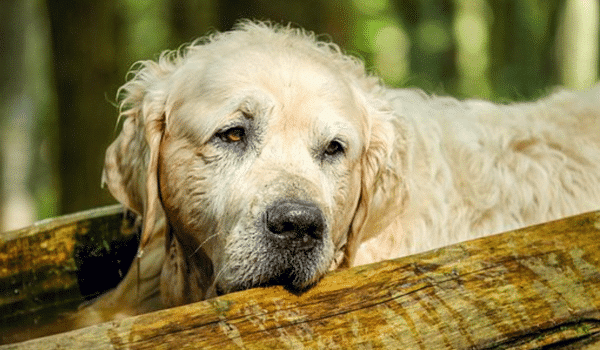
Symptoms often develop slowly and may be subtle at first, making diagnosis challenging.
Common Signs Include:
- Weight gain without increased appetite
- Lethargy and reduced activity
- Hair loss (especially on the tail and trunk)
- Dry, flaky, or darkened skin
- Cold intolerance
- Slow heart rate
These symptoms are primarily caused by a reduced metabolic rate affecting multiple body systems.
Skin and Coat Changes
Up to 80% of affected dogs show dermatological signs such as:
- Thin or dull coat
- Recurrent skin infections
- Seborrhea (oily or flaky skin)
Advanced Symptoms
If left untreated, hypothyroidism can lead to:
- Neurological issues (e.g., unsteadiness, seizures)
- High cholesterol
- Decreased immune function
How Is Hypothyroidism Diagnosed?
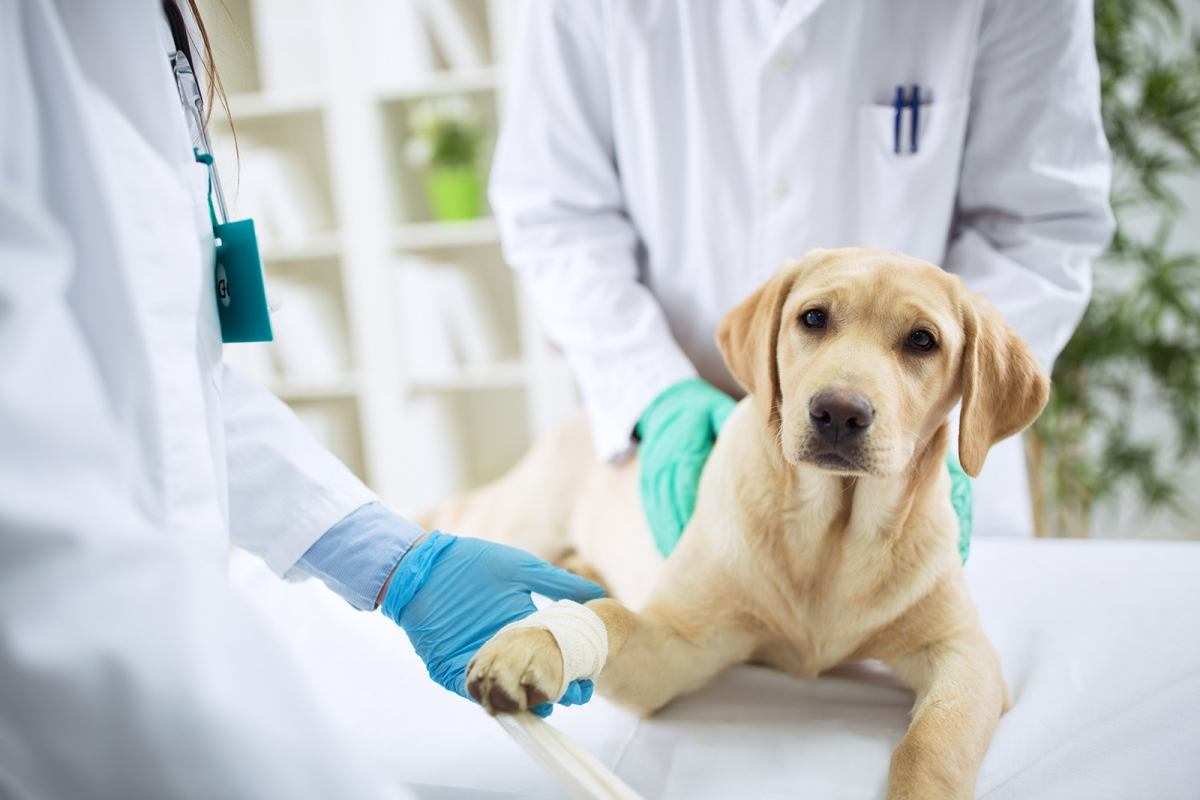
Diagnosis typically involves:
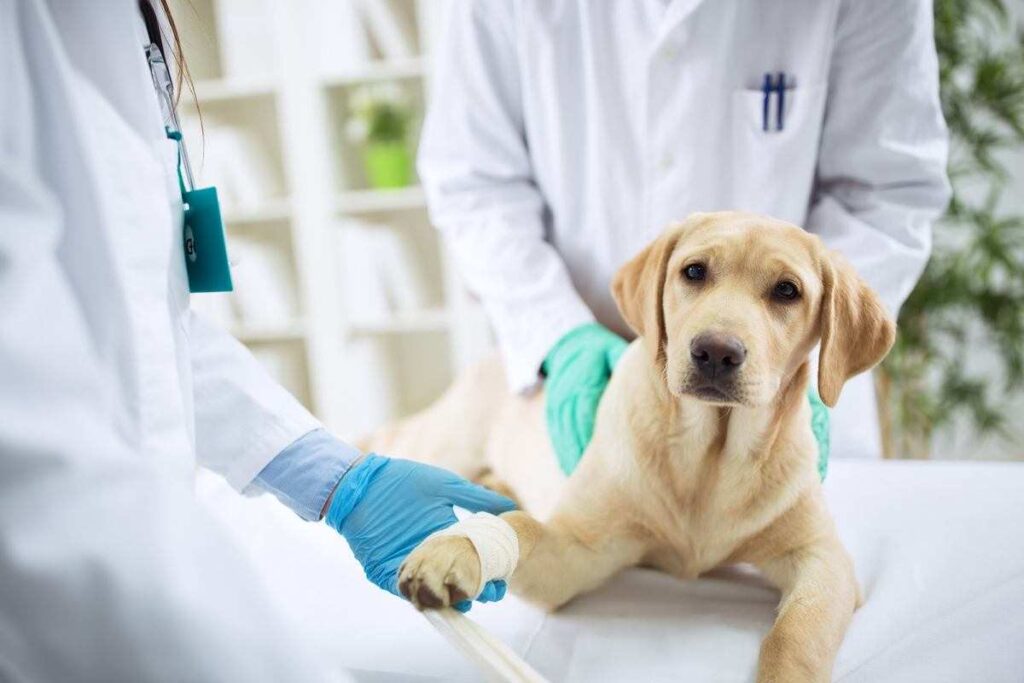
- Physical examination
- Blood tests measuring thyroid hormone levels
- Additional tests to rule out similar conditions
Because symptoms can mimic other diseases, accurate diagnosis requires veterinary expertise.
Treatment for Hypothyroidism in Dogs
The good news is that hypothyroidism is highly manageable with proper treatment.
1. Hormone Replacement Therapy
The standard treatment is levothyroxine, a synthetic thyroid hormone given daily.
2. Lifelong Management
Treatment is usually lifelong, and regular monitoring is required to adjust dosage and maintain hormone balance.
3. Follow-Up Care
Veterinarians will recommend:
- Regular blood tests
- Monitoring weight and behavior
- Adjusting medication as needed
With proper care, most dogs can live a normal, healthy life.
When Should You See a Veterinarian?
You should consult a veterinarian if your dog shows:
- Unexplained weight gain
- Persistent lethargy
- Hair loss or skin problems
- Behavioral changes
Early diagnosis significantly improves treatment outcomes.
How to Support a Dog with Hypothyroidism
In addition to medical treatment, supportive care is essential:
- Provide a balanced, high-quality diet
- Maintain a healthy weight
- Ensure regular exercise
- Monitor skin and coat condition
These steps help improve your dog’s overall well-being.
Expert Advice from Grande Ronde Animal Hospital
At Grande Ronde Animal Hospital, we emphasize that hypothyroidism is a manageable condition—but only with early detection and proper care.
Our veterinary experts recommend:
- Routine health screenings for middle-aged and senior dogs
- Immediate evaluation of unexplained symptoms
- Consistent medication and follow-up care
About Grande Ronde Animal Hospital
Grande Ronde Animal Hospital is a trusted veterinary clinic dedicated to delivering high-quality, compassionate care for pets.
Our Services Include:
- Preventive care and wellness exams
- Endocrine and hormonal disorder management
- Diagnostic testing and laboratory services
- Nutritional counseling
- Long-term disease management
We are committed to helping pets live healthier, longer, and happier lives.
Conclusion
Hypothyroidism in dogs is a common but often overlooked condition. While symptoms may appear mild at first, the disease can affect multiple body systems if untreated.
With accurate diagnosis, proper treatment, and expert guidance from Grande Ronde Animal Hospital, your dog can continue to enjoy a healthy and fulfilling life.