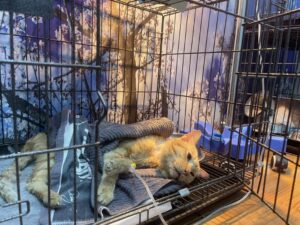
Cat sneezing is a common occurrence that many pet owners observe. While occasional sneezing is usually harmless, frequent or persistent sneezing may indicate underlying health issues. Understanding the causes of cat sneezing is essential to ensure timely care and protect your pet’s health.
In this guide, we explore the reasons why cats sneeze, warning signs to watch for, and effective treatment methods—along with expert advice from Grande Ronde Animal Hospital.
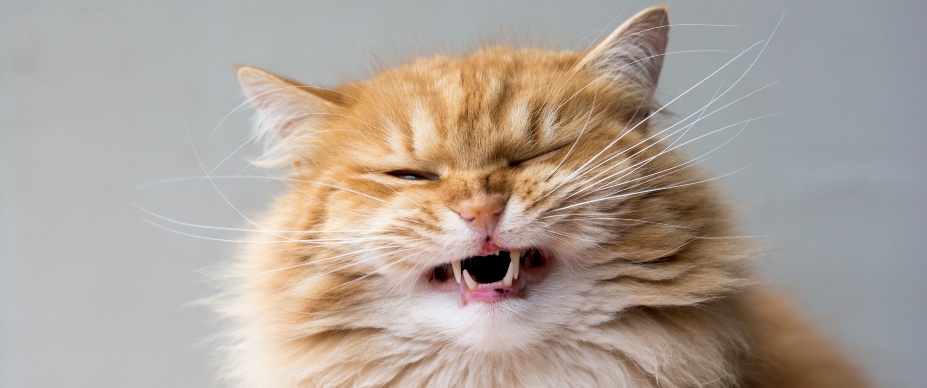
Is Cat Sneezing Normal?
Yes, occasional sneezing is normal in cats. Just like humans, cats may sneeze due to minor irritants such as dust or strong smells. In fact, most random sneezing episodes are harmless and short-lived .
However, if sneezing happens frequently or is accompanied by other symptoms, it may signal a medical problem.
Common Causes of Cat Sneezing
1. Upper Respiratory Infections (Most Common Cause)
Respiratory infections are the leading cause of persistent sneezing in cats. These infections can be viral or bacterial and often come with additional symptoms such as nasal discharge or watery eyes .
The most common viruses include feline herpesvirus and calicivirus, which are responsible for the majority of “cat flu” cases .
2. Allergies and Environmental Irritants
Cats are sensitive to airborne irritants such as:
- Dust and pollen
- Cigarette smoke
- Perfumes or cleaning chemicals
Exposure to these substances can trigger sneezing and nasal irritation .
3. Foreign Objects in the Nose
Small particles like grass seeds or dust can get stuck in the nasal passages, causing sudden and repeated sneezing .
4. Dental Problems
Dental infections can spread to nearby sinuses, leading to inflammation and sneezing. This is often overlooked but relatively common in cats .
5. Chronic Rhinitis or Sinus Issues
Inflammation of the nasal passages (rhinitis) or sinuses can cause long-term sneezing, especially if left untreated .
6. More Serious Conditions
In rare cases, sneezing may be linked to:
- Nasal polyps
- Tumors
- Systemic diseases
These conditions require professional diagnosis and treatment.
Symptoms That Require Attention
Sneezing becomes concerning when it is accompanied by:
- Thick or colored nasal discharge
- Eye discharge or swelling
- Loss of appetite
- Lethargy
- Difficulty breathing
Persistent sneezing for more than 48 hours or worsening symptoms may indicate a serious condition .
How to Treat Cat Sneezing
Treatment depends on the underlying cause.
1. Mild Cases (Home Care)
For occasional sneezing:
- Keep your home clean and dust-free
- Avoid strong chemicals or fragrances
- Ensure proper ventilation
Mild cases often resolve without medical treatment .
2. Medical Treatment
If the cause is identified, veterinarians may prescribe:
- Antibiotics for bacterial infections
- Antiviral medications for viral diseases
- Antihistamines for allergies
- Anti-inflammatory drugs
Treatment is always tailored to the specific condition .
3. Supportive Care
In more severe cases, supportive care may include:
- Fluid therapy
- Nutritional support
- Cleaning nasal discharge to aid breathing
When Should You See a Veterinarian?
You should seek veterinary care if:
- Sneezing persists for several days
- Your cat stops eating
- There is blood or thick discharge
- Breathing becomes difficult
Early diagnosis helps prevent complications and speeds up recovery .
How to Prevent Cat Sneezing
Prevention plays an important role in maintaining respiratory health:
- Keep vaccinations up to date
- Maintain a clean, low-dust environment
- Avoid exposure to strong chemicals
- Provide proper nutrition and care
Vaccination is especially important in preventing viral respiratory infections .
Expert Advice from Grande Ronde Animal Hospital
At Grande Ronde Animal Hospital, we emphasize that sneezing is often a symptom—not a disease itself.
Our veterinary experts recommend:
- Monitoring your cat’s behavior and symptoms closely
- Seeking professional care for persistent sneezing
- Maintaining preventive health care and vaccinations
About Grande Ronde Animal Hospital
Grande Ronde Animal Hospital is a trusted veterinary clinic dedicated to providing compassionate and high-quality care for pets.
Our Services Include:
- Respiratory disease diagnosis and treatment
- Preventive care and vaccinations
- Diagnostic testing and imaging
- Nutritional and wellness counseling
- Long-term health management
We are committed to helping pets live healthier and happier lives through expert care and personalized treatment.
Conclusion
Cat sneezing can range from a harmless reaction to dust to a sign of serious illness. Understanding the causes and recognizing warning signs is key to ensuring your pet’s health.
With proper care and expert guidance from Grande Ronde Animal Hospital, you can effectively manage and prevent respiratory issues, keeping your cat safe and comfortable.