Mange is a common skin disease in dogs that can cause severe discomfort, hair loss, and infections if left untreated. Understanding mange in dogs is essential for early detection and proper care to protect your pet’s health.
In this comprehensive guide, we explore the causes, symptoms, treatment options, and prevention methods—along with expert advice from Grande Ronde Animal Hospital.
What Is Mange in Dogs?
Mange is a skin condition caused by microscopic parasites (mites) that live on or under a dog’s skin. These mites irritate the skin, leading to inflammation, itching, and hair loss.
There are two main types of mange in dogs:
- Sarcoptic mange (scabies) – highly contagious
- Demodectic mange (demodex) – often linked to immune system issues
Common Causes of Mange in Dogs
1. Parasitic Mite Infestation
The primary cause of mange is infestation by mites such as Sarcoptes scabiei and Demodex canis. These parasites live on the skin and cause irritation and damage.
2. Direct Contact with Infected Animals
Mange, especially sarcoptic mange, spreads easily through direct contact with infected dogs or contaminated environments.
3. Weak Immune System
Dogs with weakened immune systems—such as puppies, senior dogs, or sick animals—are more susceptible to mange.
4. Poor Hygiene and Living Conditions
Dirty or humid environments can create ideal conditions for mites to thrive and multiply.
5. Nutritional Deficiencies
Lack of proper nutrition weakens the skin barrier and increases the risk of parasitic infections.
Symptoms of Mange in Dogs
The symptoms may vary depending on the type and severity of mange.
Common Signs Include:
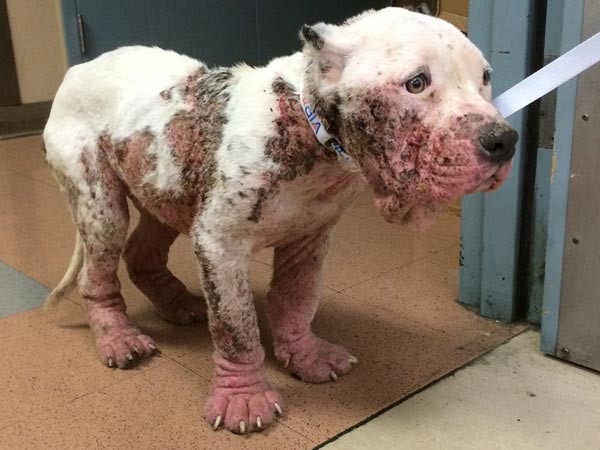
- Intense itching and scratching
- Hair loss in patches
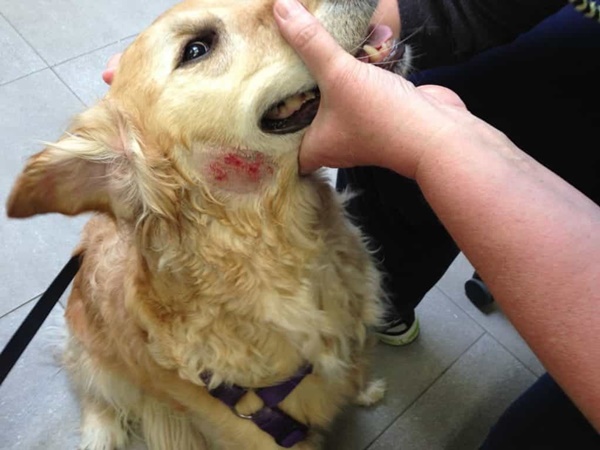
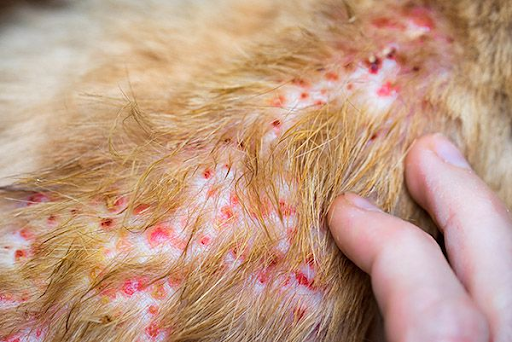
- Red, inflamed skin
- Scabs, crusts, or sores
- Thickened or wrinkled skin
Dogs often scratch excessively, which can lead to wounds and secondary infections.
Advanced Symptoms
If untreated, mange can lead to:
- Open wounds and pus
- Strong unpleasant odor
- Skin infections
- Weight loss and weakness
Types of Mange in Dogs
1. Sarcoptic Mange
- Highly contagious
- Causes severe itching
- Can spread to humans temporarily
- Often affects ears, belly, and elbows
2. Demodectic Mange
- Not usually contagious
- Occurs when immune system is weakened
- Common in young or immunocompromised dogs
- May be localized or generalized
How Is Mange Diagnosed?
Veterinarians diagnose mange through:
- Physical examination
- Skin scraping and microscopic analysis
- Evaluation of clinical symptoms
Accurate diagnosis is essential to determine the type of mite and appropriate treatment.
Treatment for Mange in Dogs
1. Anti-Parasitic Medications
Common treatments include:
- Topical treatments (spot-on or medicated dips)
- Oral medications (e.g., ivermectin, isoxazolines)
These medications kill mites and stop infestation.
2. Medicated Shampoos
Special shampoos help:
- Soothe irritated skin
- Remove crusts and debris
- Support healing
3. Treat Secondary Infections
If infections occur, veterinarians may prescribe:
- Antibiotics
- Anti-inflammatory drugs
4. Environmental Cleaning
- Wash bedding regularly
- Disinfect living areas
- Avoid contact with infected animals
This helps prevent reinfection.
When Should You See a Veterinarian?
Seek veterinary care if your dog shows:
- Persistent itching or scratching
- Hair loss spreading across the body
- Skin wounds or infections
- No improvement after home care
Early treatment prevents complications and speeds recovery.
How to Prevent Mange in Dogs
Preventive care is essential:
- Maintain proper hygiene
- Provide balanced nutrition
- Use parasite prevention products regularly
- Avoid contact with infected animals
- Schedule routine veterinary check-ups
Expert Advice from Grande Ronde Animal Hospital
At Grande Ronde Animal Hospital, we emphasize that mange is a treatable condition—but early detection is key.
Our veterinary experts recommend:
- Monitoring your dog’s skin and coat regularly
- Seeking professional diagnosis at the first signs of itching or hair loss
- Following a complete treatment plan to prevent recurrence
About Grande Ronde Animal Hospital
Grande Ronde Animal Hospital is a trusted veterinary clinic dedicated to providing compassionate, high-quality care for pets.
Our Services Include:
- Dermatology and skin disease treatment
- Parasite control and prevention
- Diagnostic testing and laboratory services
- Preventive health care
- Long-term disease management
We are committed to helping pets stay healthy, comfortable, and free from skin diseases.
Conclusion
Mange in dogs is a common but serious skin condition caused by parasitic mites. From intense itching to severe skin infections, the disease can significantly affect your pet’s quality of life if untreated.
With early detection, proper treatment, and expert guidance from Grande Ronde Animal Hospital, your dog can recover fully and enjoy a healthy, happy life.