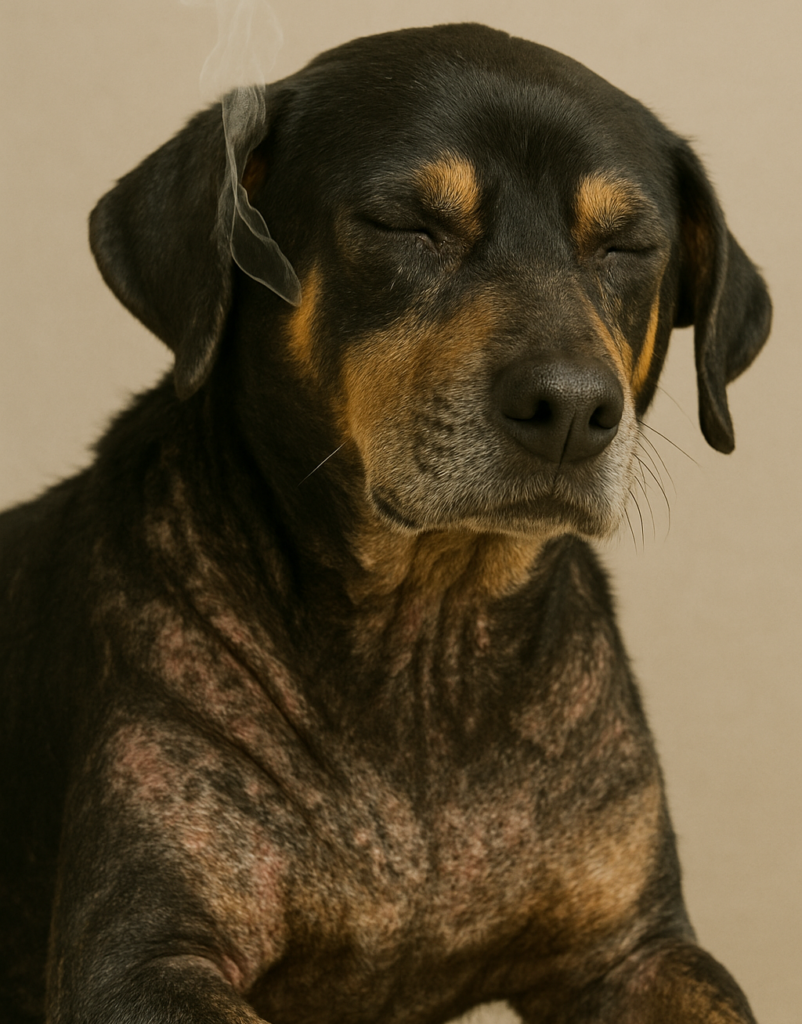
A dog’s skin should have a natural, mild scent. However, if your pet develops a strong, unpleasant odor, it may indicate underlying health or hygiene issues. Understanding the causes of dog skin odor is essential to ensure your pet stays healthy, comfortable, and happy.
In this article, we explore the main reasons why dogs develop skin odor, how to treat it, and expert advice from Grande Ronde Animal Hospital.
What Is Dog Skin Odor?
Dog skin odor refers to a persistent unpleasant smell coming from your dog’s coat or skin. This condition is often accompanied by:
- Itching or scratching
- Redness or irritation
- Hair loss or greasy coat
- Behavioral changes such as restlessness
In some cases, dogs may even lose appetite or become stressed due to constant discomfort.
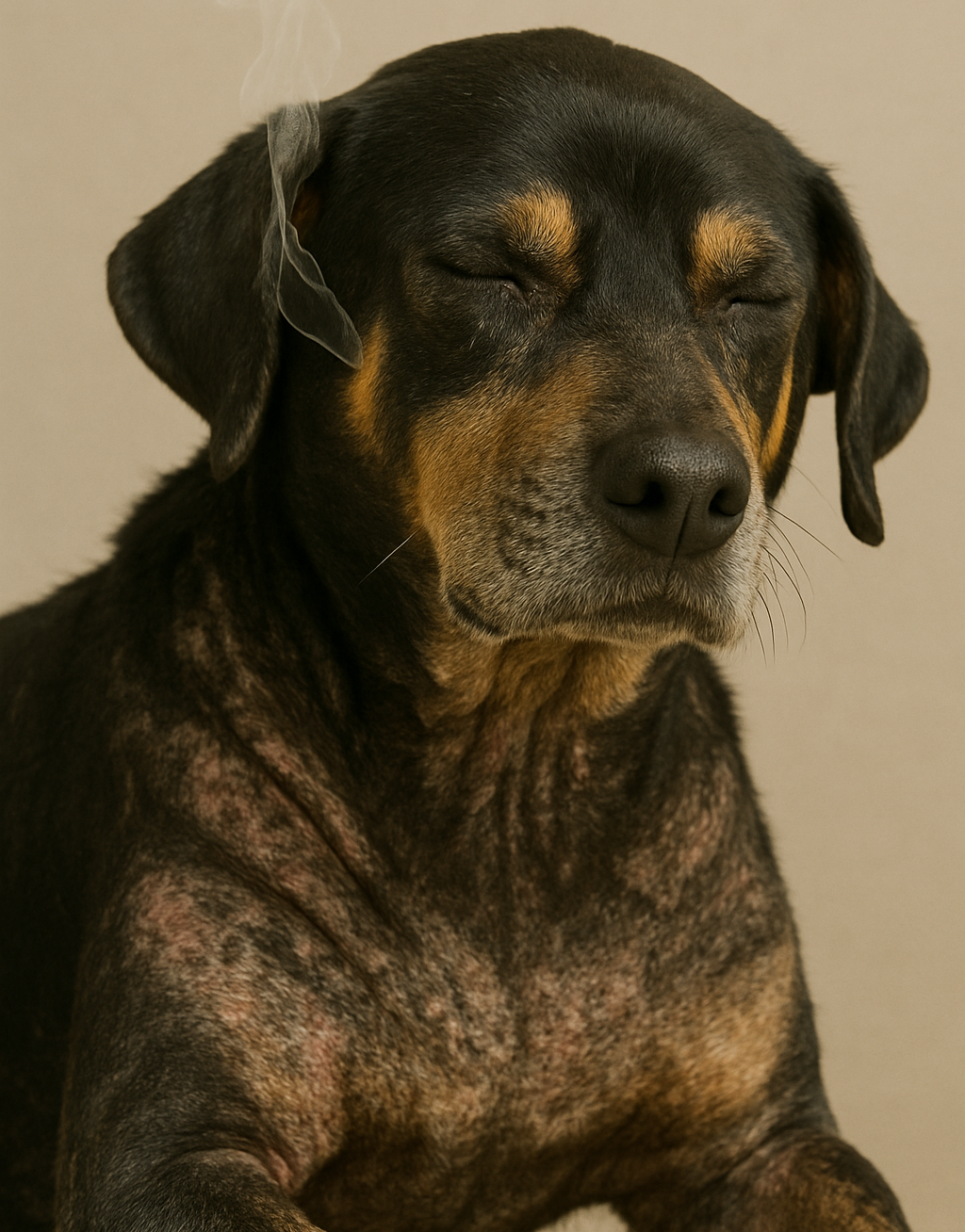
Common Causes of Dog Skin Odor
Identifying the root cause is the first step toward effective treatment.
1. Skin Infections (Bacteria & Yeast)
One of the most common causes of odor is bacterial or fungal overgrowth. When oils and dirt accumulate on the skin, microorganisms break them down and produce unpleasant smells.
Dogs with skin folds (such as Bulldogs or Pugs) are especially prone to this issue because moisture gets trapped easily.
2. Poor Hygiene
If a dog is not bathed regularly, dead skin cells, dirt, and oils build up over time, creating a strong odor. Lack of grooming also contributes to matting and bacterial growth.
3. Anal Gland Problems
Blocked or infected anal glands can produce a very strong, fishy smell. This is often mistaken for skin odor but is actually a common health issue in dogs.
4. Allergies
Food allergies or environmental allergens can cause skin irritation, leading to excessive scratching, inflammation, and secondary infections—resulting in odor.
5. Excess Oil Production (Seborrhea)
Overactive sebaceous glands produce too much oil, which traps dirt and bacteria, creating a greasy coat and unpleasant smell.
6. Parasites (Fleas, Mites)
Parasites damage the skin barrier, causing infections and odor as a secondary effect.
Signs You Should Not Ignore
Dog skin odor may be a symptom of a deeper problem. Watch for:
- Persistent itching or licking
- Red or inflamed skin
- Thickened or darkened skin
- Open sores or scabs
- Strong odor that does not go away after bathing
If these symptoms appear, veterinary consultation is strongly recommended.
How to Treat Dog Skin Odor
1. Regular Bathing with Proper Products
Use veterinary-approved shampoos designed for dogs. Avoid human shampoos as they can disrupt the skin’s natural pH.
2. Grooming and Brushing
Regular brushing removes loose hair, dirt, and prevents matting, reducing odor buildup.
3. Maintain a Healthy Diet
Nutrition plays a key role in skin health. High-quality food supports a healthy coat and reduces excessive oil production.
4. Clean Skin Folds and Ears
Moist areas are breeding grounds for bacteria and yeast. Keeping these areas dry and clean is essential.
5. Veterinary Treatment
If the odor persists, a veterinarian may prescribe:
- Antifungal or antibacterial medications
- Medicated shampoos
- Allergy treatments
How to Prevent Dog Skin Odor
Prevention is always better than treatment. Here are some simple tips:
- Bathe your dog regularly (every 2–4 weeks depending on breed)
- Keep bedding clean
- Groom your dog frequently
- Provide balanced nutrition
- Schedule routine veterinary check-ups
Expert Advice from Grande Ronde Animal Hospital
At Grande Ronde Animal Hospital, we emphasize that skin odor is often a warning sign—not just a cosmetic issue.
Untreated skin conditions can worsen over time and lead to infections, discomfort, and behavioral changes in pets. Our veterinary experts recommend early diagnosis and proper care to prevent complications.
About Grande Ronde Animal Hospital
Grande Ronde Animal Hospital is a trusted veterinary clinic dedicated to providing high-quality, compassionate care for pets.
Our Services Include:
- Preventive health care
- Dermatology and skin treatment
- Vaccinations and wellness exams
- Diagnostic testing
- Nutritional counseling
We are committed to helping pet owners maintain their pets’ health—from skin care to overall well-being.