Dog Diarrhea : Causes, Symptoms, and Effective Treatment for Your Pet
Dog diarrhea is a common health issue that many pet owners face. While it may seem harmless at first, diarrhea can sometimes signal serious underlying conditions. Understanding the causes, symptoms, and proper treatment of dog diarrhea is essential to protect your pet’s health.
In this guide, we provide expert insights along with practical care tips recommended by Grande Ronde Animal Hospital.
What Is Dog Diarrhea?
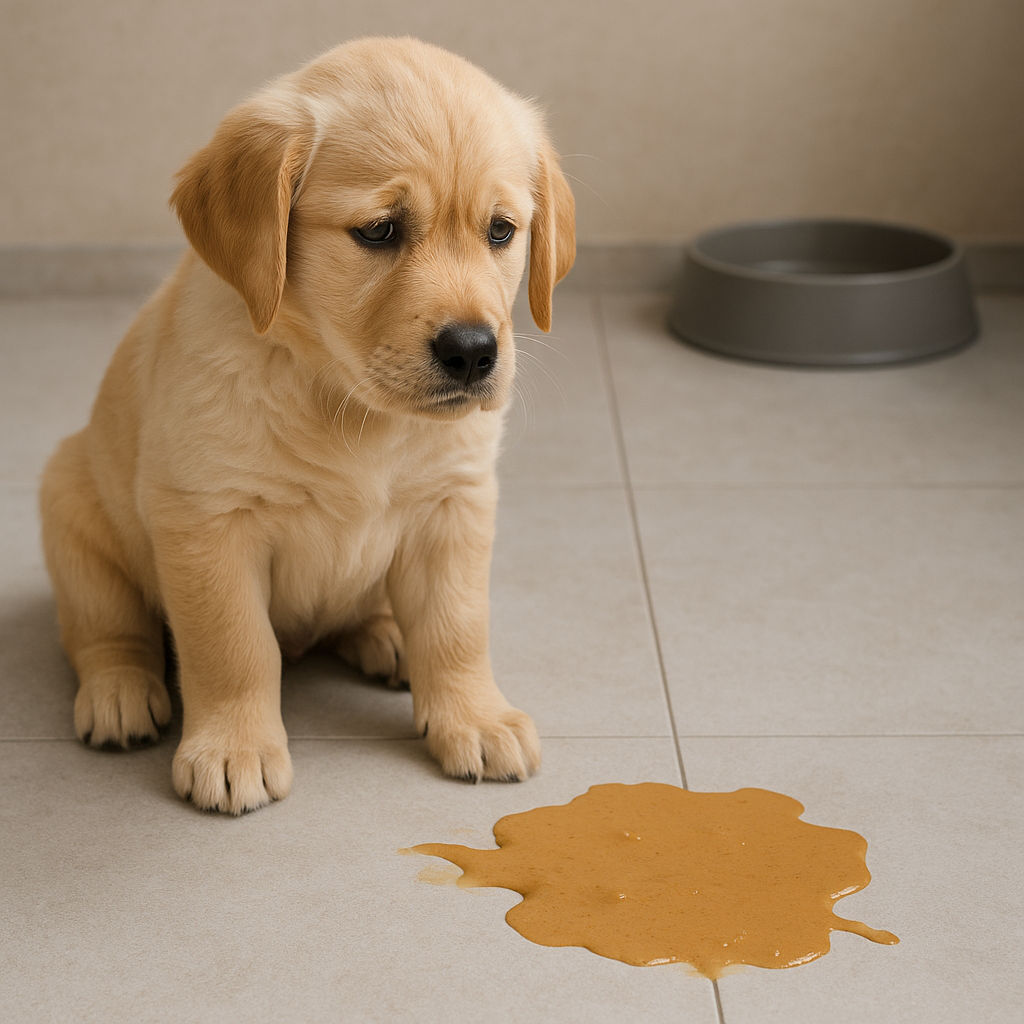
Dog diarrhea refers to loose, watery, or frequent stools. It is not a disease itself but a symptom of digestive disturbances or other health problems.
Diarrhea can be classified into:
- Acute diarrhea (lasting a few days)
- Chronic diarrhea (lasting more than 2 weeks)
Common Causes of Dog Diarrhea
There are many possible reasons why your dog may develop diarrhea.
1. Dietary Issues
Dogs often get diarrhea after:
- Eating spoiled food or garbage
- Sudden changes in diet
- Consuming fatty or unfamiliar foods
2. Infections (Bacterial & Viral)
Bacteria such as Salmonella or viruses like parvovirus can cause severe diarrhea and require immediate treatment.
3. Parasites
Intestinal worms (roundworms, hookworms, Giardia) are a common cause, especially in puppies.
4. Stress and Environmental Changes
Changes in routine, travel, or boarding can disrupt your dog’s digestive system and lead to diarrhea.
5. Allergies and Chronic Conditions
Food allergies or diseases such as inflammatory bowel disease can result in recurring diarrhea.
6. Toxic Substances or Foreign Objects
Ingesting toxins or objects can irritate or block the digestive tract, causing diarrhea and other severe symptoms.
Symptoms of Dog Diarrhea
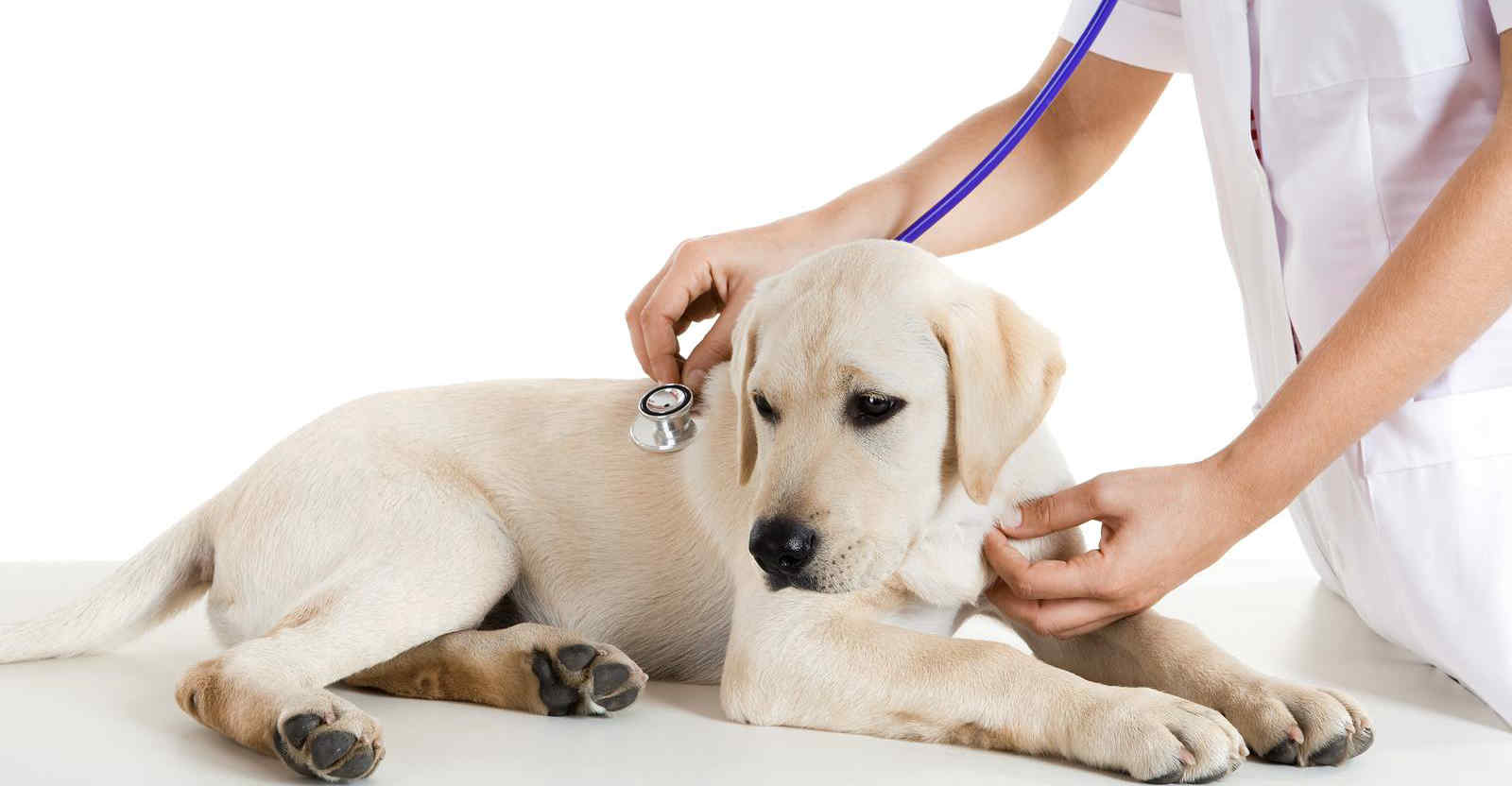
In addition to loose stools, you may notice:
- Vomiting
- Loss of appetite
- Lethargy
- Dehydration
- Blood in stool (in severe cases)
If your dog shows signs like weakness, fever, or persistent vomiting, it may indicate a serious condition requiring urgent care.
How to Treat Dog Diarrhea
1. Fasting for 12–24 Hours
Temporarily withholding food allows the digestive system to rest, but always provide fresh water.
2. Bland Diet
After fasting, feed easily digestible food such as:
- Boiled chicken
- White rice
This helps soothe the digestive tract.
3. Hydration Is Critical
Diarrhea causes fluid loss, so ensure your dog drinks enough water to prevent dehydration.
4. Probiotics and Veterinary Diets
Probiotics can help restore gut bacteria balance, while specialized veterinary diets support recovery.
5. Veterinary Treatment
If symptoms persist, a veterinarian may prescribe:
- Anti-diarrheal medication
- Antibiotics or deworming drugs
- IV fluids in severe cases
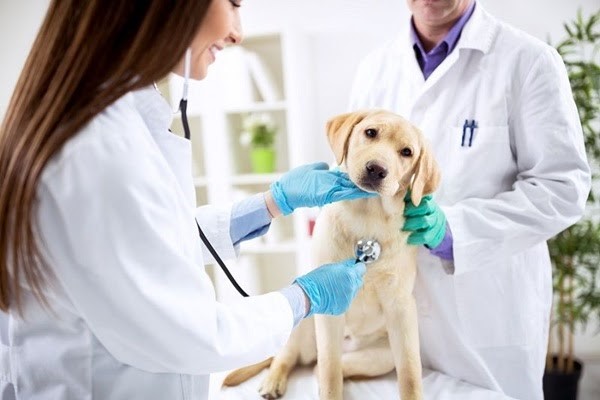
When Should You See a Veterinarian?
Seek immediate veterinary care if your dog has:
- Diarrhea lasting more than 24–48 hours
- Blood in stool
- Severe vomiting
- Signs of dehydration
- Weakness or lethargy
Early treatment is crucial to prevent complications.
How to Prevent Dog Diarrhea
Prevention plays a key role in maintaining your dog’s digestive health:
- Feed a consistent, high-quality diet
- Avoid sudden food changes
- Keep your dog away from garbage or toxins
- Maintain regular deworming and vaccinations
- Reduce stress and maintain routine
Expert Advice from Grande Ronde Animal Hospital
At Grande Ronde Animal Hospital, we emphasize that diarrhea should never be ignored.
Even mild digestive issues can escalate if left untreated. Our veterinary team recommends:
- Monitoring your dog’s stool and behavior daily
- Acting early when symptoms appear
- Seeking professional care for persistent or severe cases
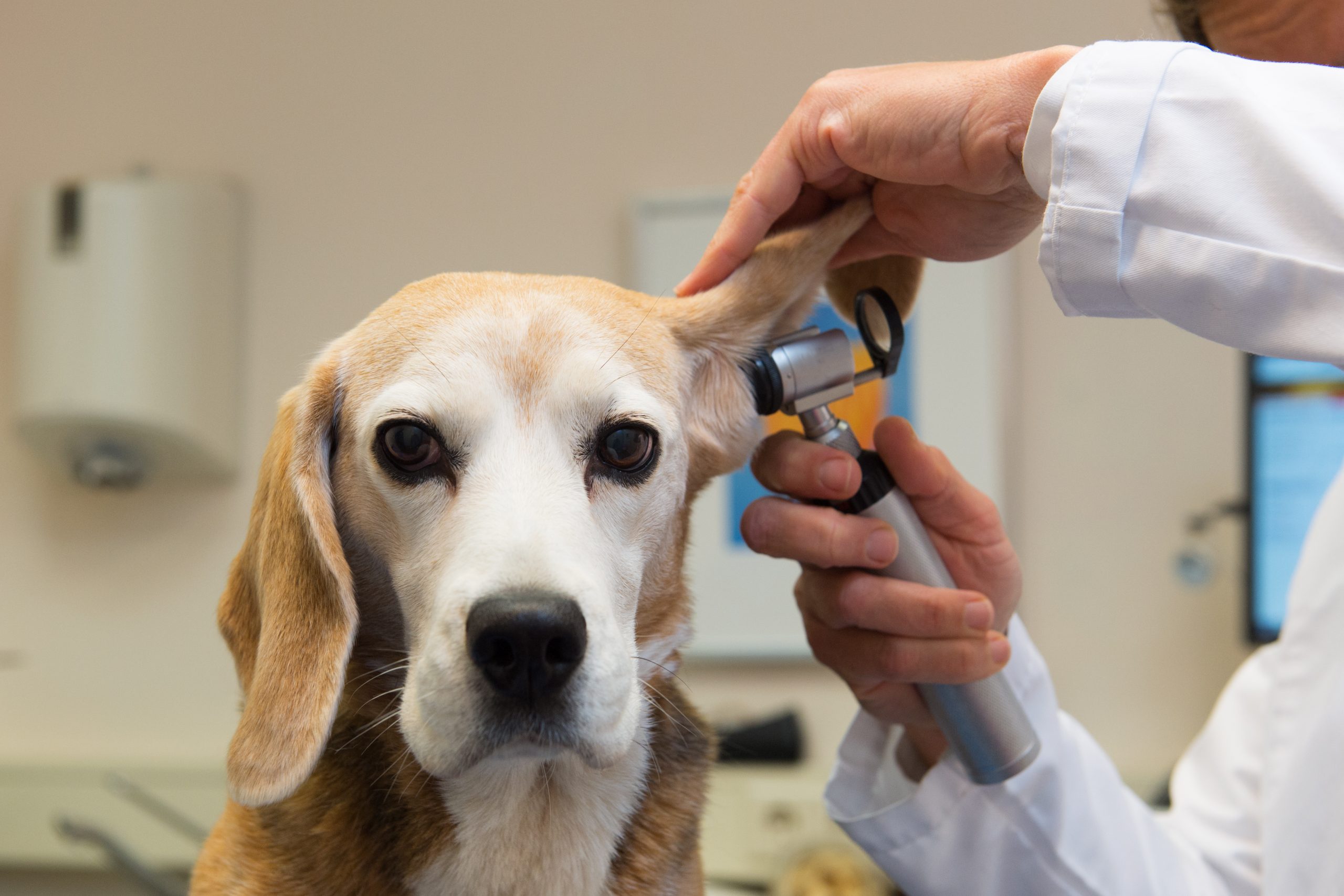
About Grande Ronde Animal Hospital
Grande Ronde Animal Hospital is a trusted veterinary clinic dedicated to delivering high-quality and compassionate care for pets.
Our Services Include:
- Preventive care and wellness exams
- Digestive and gastrointestinal treatment
- Vaccinations and parasite control
- Advanced diagnostics
- Nutritional and dietary counseling
We are committed to helping your pets live healthier, happier lives.
Conclusion
Dog diarrhea is a common but potentially serious condition. While mild cases may resolve quickly, persistent or severe symptoms require veterinary attention.
By understanding the causes, applying proper treatment, and following expert advice from Grande Ronde Animal Hospital, you can ensure your dog stays healthy and protected.