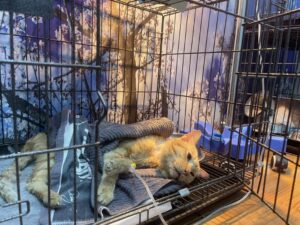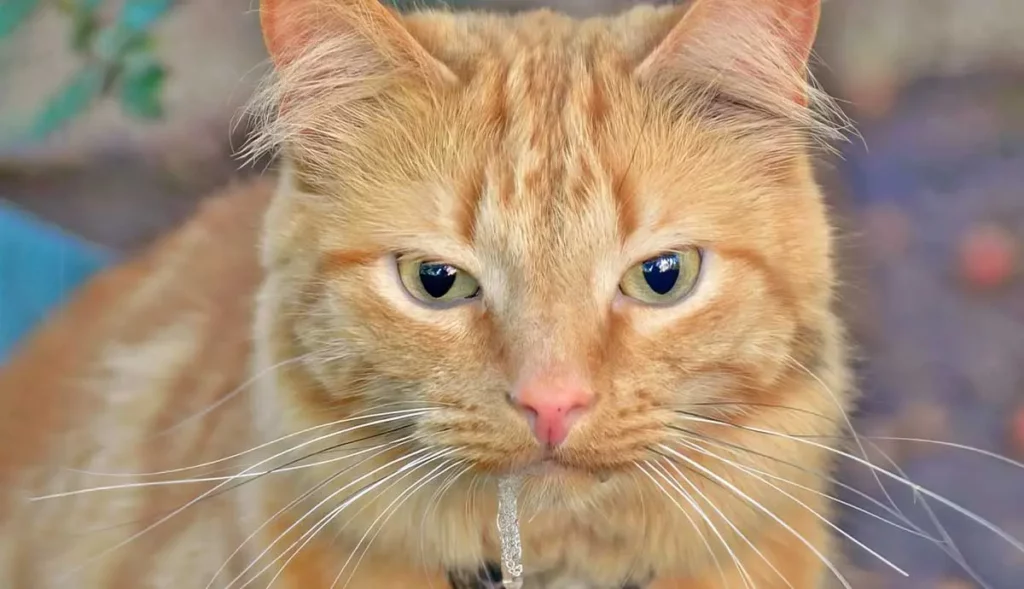
Cat drooling is not as common as in dogs, so when it happens, many pet owners feel concerned. While a small amount of drooling can be normal in certain situations, excessive or persistent drooling may indicate underlying health problems.
In this guide, we’ll explain everything you need to know about cat drooling, including causes, warning signs, and treatment—along with expert insights from Grande Ronde Animal Hospital.
What Is Cat Drooling?
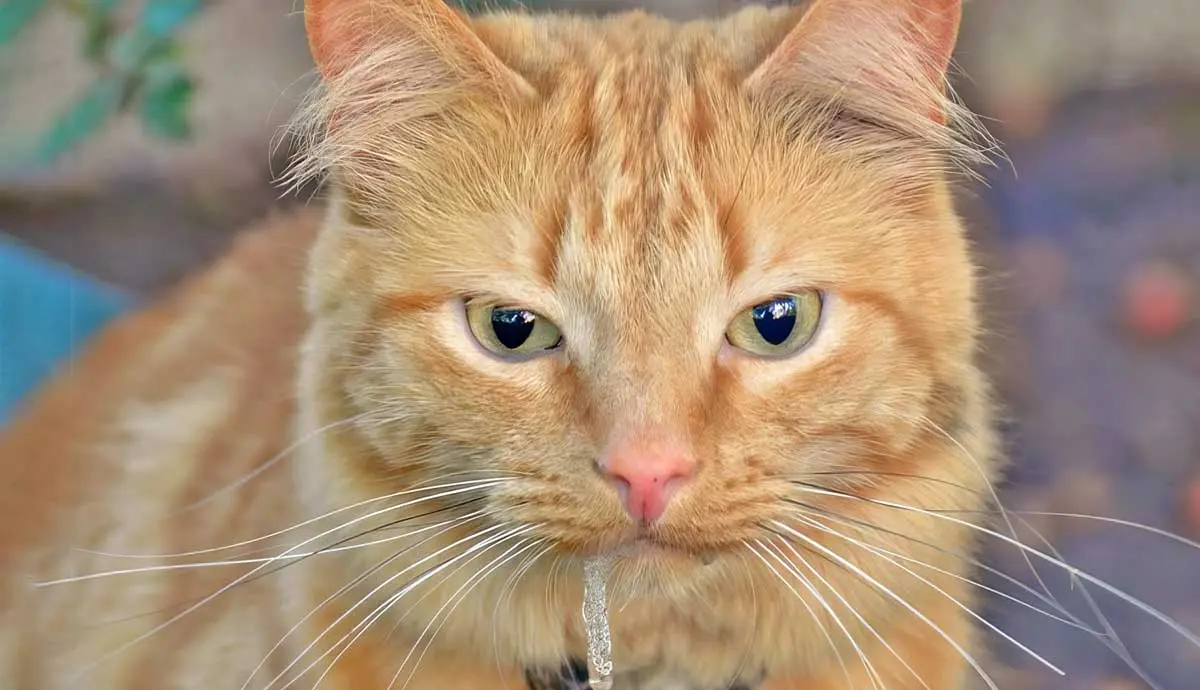
Cat drooling, also known as hypersalivation, refers to the excessive production or inability to swallow saliva properly. It is not a disease itself but a symptom of an underlying condition.
Although some cats may drool when relaxed or happy, unusual or continuous drooling often signals a medical issue that requires attention.
Is It Normal for Cats to Drool?
In some cases, drooling can be completely harmless:
- When a cat is very relaxed or purring
- During sleep or kneading
- Temporary stress (e.g., car rides or vet visits)
However, this type of drooling is usually mild and short-lived. Persistent or excessive drooling is not normal and should be investigated.
Common Causes of Cat Drooling
Understanding the cause is essential for proper treatment.
1. Dental and Oral Diseases (Most Common Cause)
Dental issues are the leading reason for drooling in cats. Conditions include:
- Gingivitis
- Tooth decay
- Mouth ulcers or infections
These conditions cause pain and inflammation, leading to excess saliva production.
2. Nausea and Digestive Problems
Cats may drool when they feel nauseous due to:
- Hairballs
- Gastrointestinal disorders
- Motion sickness
Drooling in these cases is often followed by vomiting or reduced appetite.
3. Exposure to Toxins or Chemicals
Contact with toxic substances such as:
- Household cleaners
- Toxic plants
- Medications
can irritate the mouth or digestive tract, causing excessive drooling.
4. Foreign Objects or Injuries
Objects stuck in the mouth or throat, or injuries to oral tissues, can trigger drooling due to pain and irritation.
5. Stress and Anxiety
Stressful situations may lead to temporary drooling, especially when combined with behavioral signs like hiding or vocalizing.
6. Serious Medical Conditions
In some cases, drooling may be linked to more severe conditions such as:
- Oral tumors
- Kidney disease
- Viral infections
- Heatstroke
These conditions often require immediate veterinary care.
Symptoms That Require Attention
Cat drooling becomes concerning when accompanied by:
- Bad breath
- Loss of appetite
- Pawing at the mouth
- Blood in saliva
- Lethargy or weakness
Sudden drooling combined with vomiting, swelling, or breathing difficulty may indicate an emergency.
How to Treat Cat Drooling
Treatment depends on the underlying cause:
1. Dental Care
Veterinarians may recommend:
- Professional dental cleaning
- Tooth extraction
- Antibiotics for infections
2. Removing Toxins or Foreign Objects
Immediate treatment is necessary if your cat has ingested harmful substances or objects.
3. Dietary Adjustments
For digestive issues, a controlled diet or probiotics may help restore balance.
4. Medication and Veterinary Care
Your veterinarian may prescribe medications to treat infections, inflammation, or chronic diseases.
When Should You See a Veterinarian?
You should seek veterinary care if:
- Drooling lasts more than 24 hours
- It appears suddenly and heavily
- Your cat stops eating
- There are signs of pain or illness
Early diagnosis is key to preventing serious complications.
How to Prevent Cat Drooling
While not all cases are preventable, you can reduce the risk by:
- Maintaining good oral hygiene
- Scheduling regular veterinary check-ups
- Keeping toxic substances out of reach
- Feeding a balanced, high-quality diet
Expert Advice from Grande Ronde Animal Hospital
At Grande Ronde Animal Hospital, we emphasize that drooling is often a warning sign rather than a harmless symptom.
Our veterinary professionals recommend:
- Monitoring any unusual changes in your cat’s behavior
- Acting quickly when symptoms appear
- Prioritizing preventive dental and overall health care
About Grande Ronde Animal Hospital
Grande Ronde Animal Hospital is a trusted veterinary clinic dedicated to providing compassionate, high-quality care for pets.
Our Services Include:
- Preventive care and wellness exams
- Dental and oral health treatment
- Diagnostic and laboratory services
- Emergency care
- Nutritional counseling
We are committed to helping pets live healthier and happier lives through expert care and personalized treatment plans.
Conclusion
Cat drooling can be normal in some situations, but excessive or persistent drooling is often a sign of underlying health issues. From dental disease to toxins or serious illness, identifying the cause early is essential.
By following proper care practices and consulting experts like Grande Ronde Animal Hospital, you can ensure your cat stays healthy, comfortable, and safe.